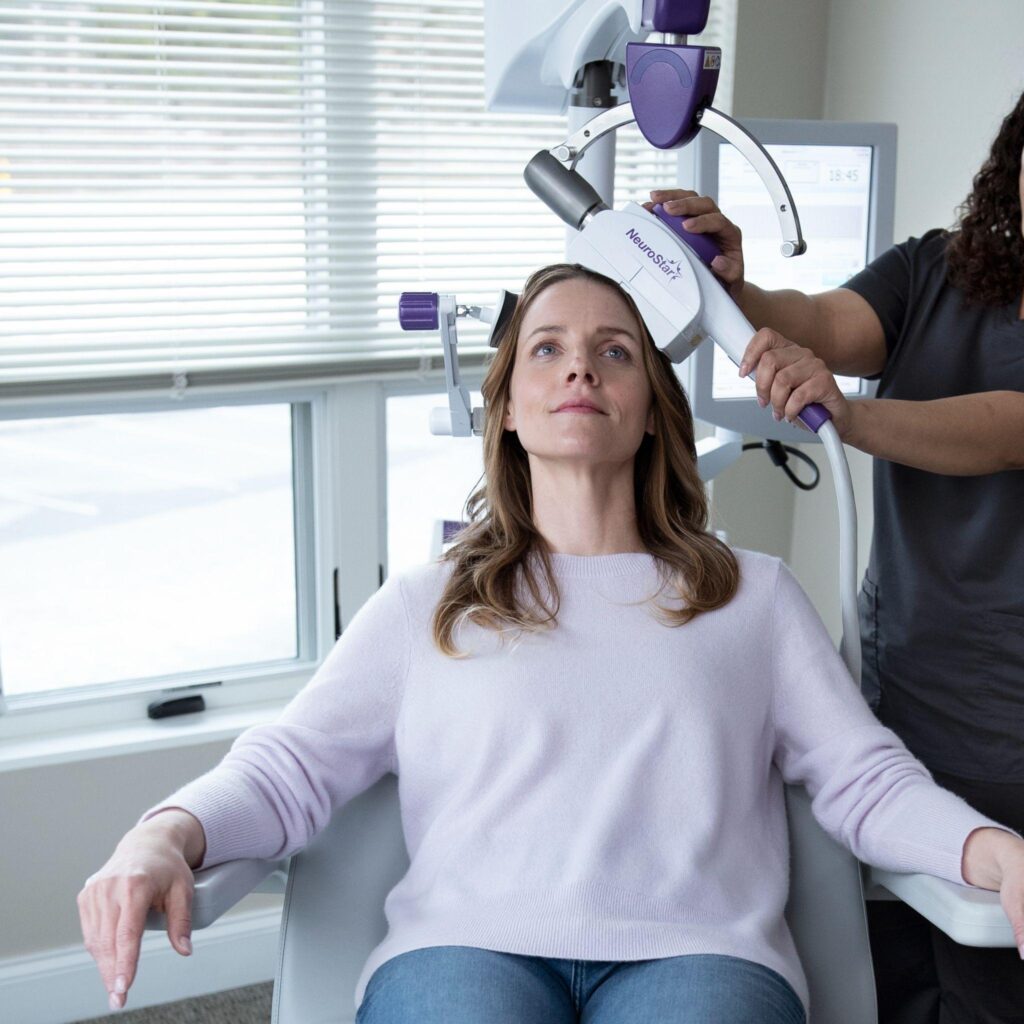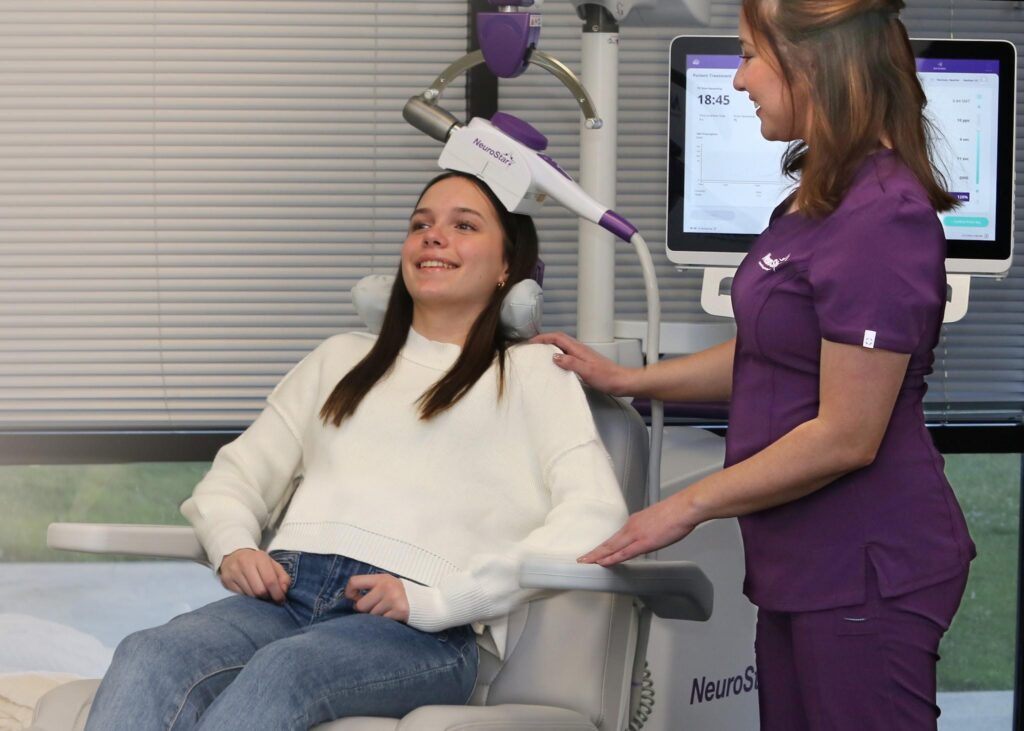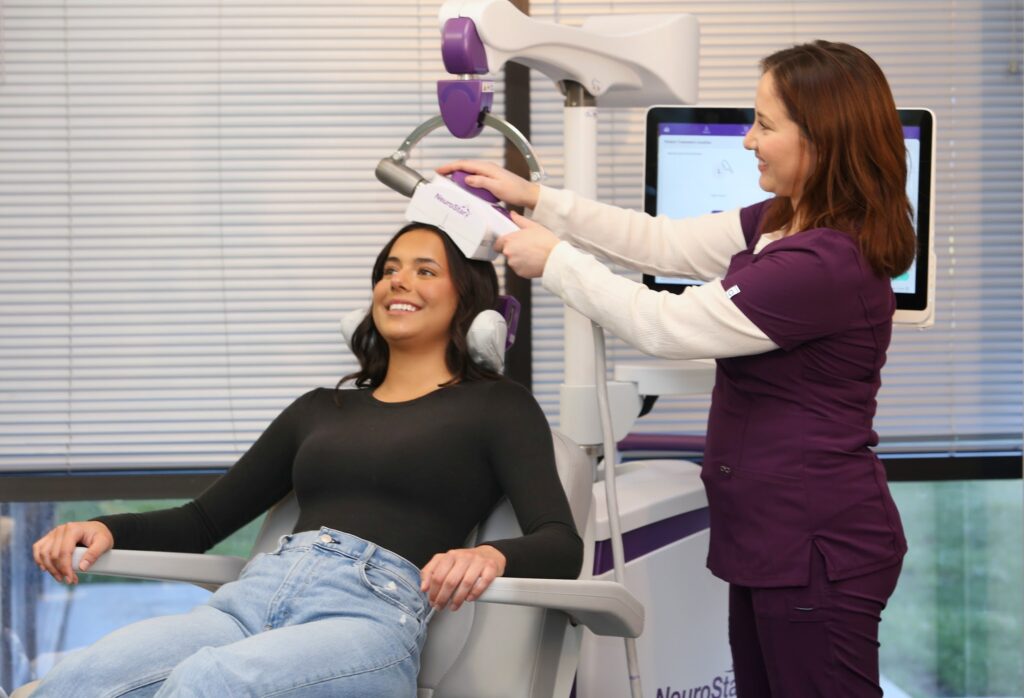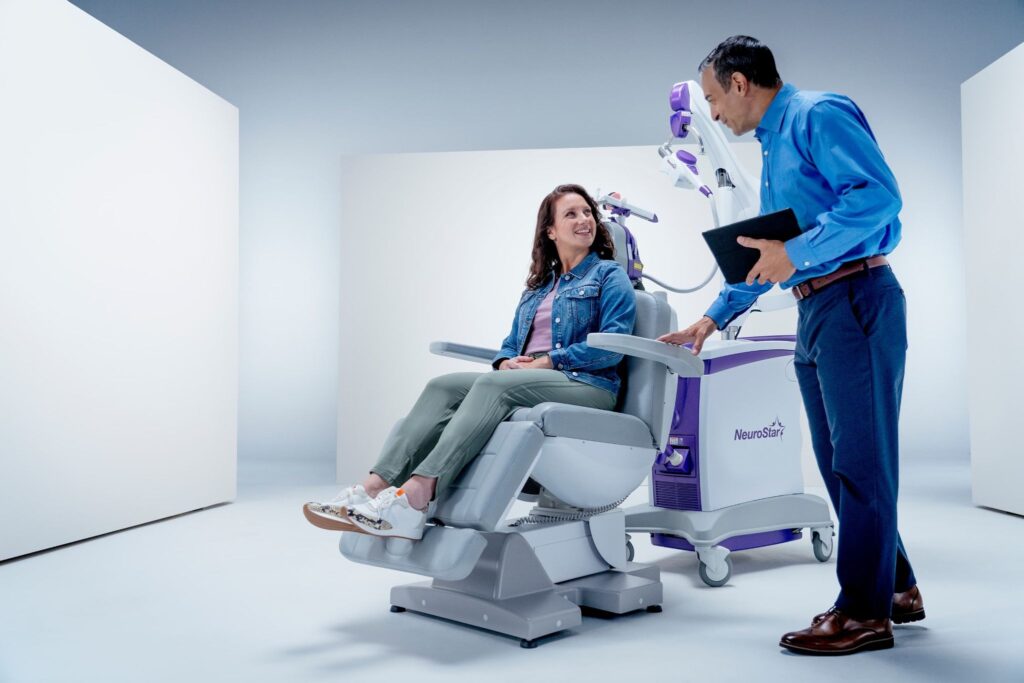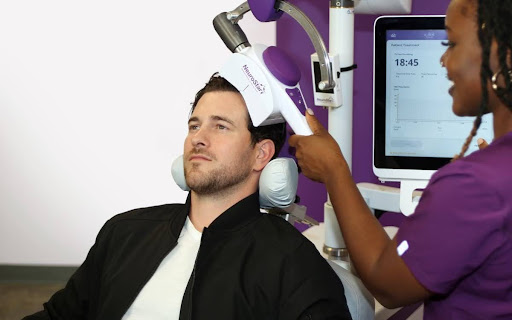


Finding the best TMS providers in NJ requires looking beyond clinic advertisements to evaluate board-certified supervision, proven technologies, and insurance transparency. Reputable practices across the state include TMS Center of NJ, Elevium Health, LifeStance Health, Relief Mental Health, Embrace Psychiatric Wellness Center, and Mind Your Mind NJ.
Because treatment protocols, clinical oversight, and out-of-pocket expenses vary significantly by facility, selecting the right provider depends on your individual diagnosis and care goals. Here is an objective comparison of top practices to guide your consultation.
Key Takeaways
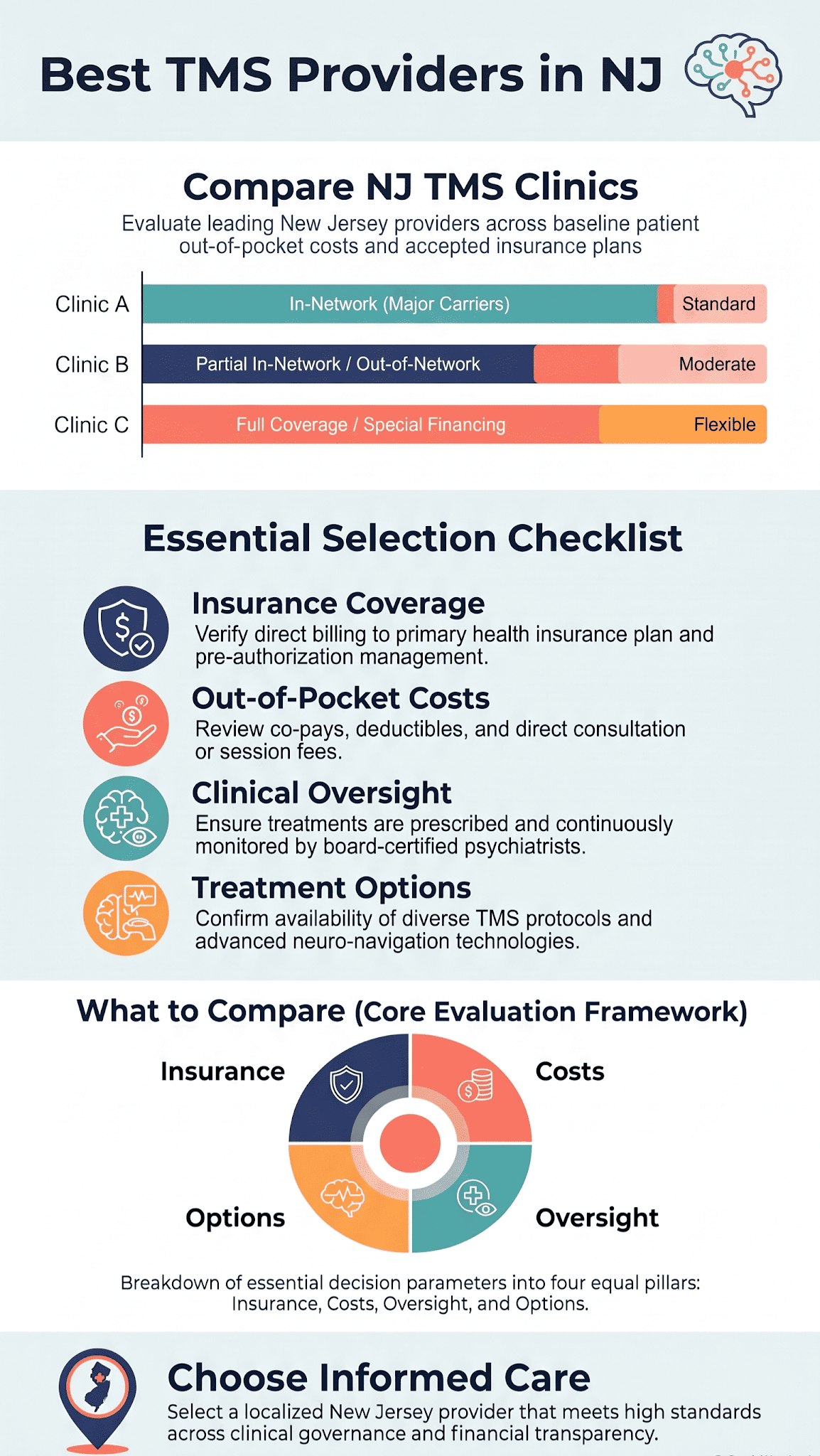
- Compare TMS Clinics and Locations
- Verify Technology, Safety, and Clinical Oversight
- Check Insurance Coverage and Total Treatment Costs
What Should You Know Before Choosing a TMS Provider in NJ?
Choosing a neuromodulation clinic requires evaluating day-to-day clinical operations rather than promotional materials alone. Patients should verify who conducts the initial motor-threshold mapping, confirm how frequently a supervising physician reassesses progress, and request an itemized cost estimate before sessions begin.
Transcranial magnetic stimulation (TMS) is a noninvasive treatment that uses focused magnetic pulses to stimulate underactive neural circuits associated with mood regulation. As outlined in U.S. Food and Drug Administration (FDA) regulatory guidelines, therapeutic TMS devices are cleared for specific clinical indications, most notably major depressive disorder (MDD) and obsessive-compulsive disorder (OCD). Verifying that a clinic’s equipment matches your exact diagnosis is a critical first step.
Research from U.S. Food and Drug Administration (FDA) shows
“The indication for use should identify the patient population for whom the device is indicated.” – U.S. Food and Drug Administration (FDA)
Here’s what to check when you compare clinics.
- Treatment focus: Ask what conditions the clinic treats with TMS. Make sure yours is one of them.
- Technology and protocol: Ask what device the clinic uses. Also ask if it offers standard schedules, faster (accelerated) schedules, or both.
- Clinical oversight: Find out who will evaluate you, who will watch over your treatment, and who will track how you’re doing.
- Provider experience: Ask how long the team has been giving TMS and how they support patients through the whole course.
- Insurance and cost: Ask the clinic to check your benefits. Get a written estimate of what you’ll owe.
- Patient experience: Reviews can show how well a clinic communicates, schedules visits, and answers calls. They can’t show whether the treatment works.
- Accessibility: Think about how far you’ll drive, how soon you can get appointments, and how many visits the plan needs.
A TMS course usually means many visits over several weeks. If the clinic is hard to reach, it’s hard to finish the course. That’s why location matters so much.
Which TMS Providers in New Jersey Should You Compare?
These six practices are a place to start. The table shows what each one says about itself publicly, plus what you should ask before booking. Because treatment eligibility depends on the diagnosis and the device’s cleared indications, patients considering TMS for obsessive-compulsive disorder can review the clinic’s information about TMS therapy for OCD in New Jersey and discuss their eligibility with a qualified clinician.
The list is in no particular order. It is not a ranking, and no clinic here is claimed to get better results than the others.
| Provider | Listed location or service area | What the practice says it offers | What to check |
| The TMS Center of New Jersey | Tinton Falls | Lists the NeuroStar Advanced Therapy System. Focuses on TMS. | Current device and protocols, who supervises care, insurance, and if consultations are open. |
| Elevium Health | Florham Park | TMS for depression and OCD, psychiatric care, posted self-pay prices, and accelerated options. | Current device, if you qualify for the protocol, total fees, and insurance. |
| LifeStance Health | New Jersey locations include Mt. Laurel | Physician-supervised TMS inside a larger behavioral health network. Posts insurance information. | If your office offers TMS, the device, clinician credentials, and your plan’s coverage. |
| Relief Mental Health | Red Bank and Warren | TMS plus psychiatry, therapy, and medication management. | Which services each office has, the device, how consults work, and insurance. |
| Embrace Psychiatric Wellness Center | Westfield and Wall Township | TMS plus psychiatric care, medication management, therapy, and Spravato. | Which offices offer TMS, the device, who qualifies, and coverage. |
| Mind Your Mind NJ | Hamilton | TMS plus individual therapy and medication management. Weekday and weekend hours listed online. | Open appointment times, the device, protocols, and insurance. |
Below, each practice is described the way it presents itself, along with what you should confirm on your own.
1. The TMS Center of New Jersey
Located at 55 Gilbert Street North in Tinton Falls, The TMS Center of New Jersey specializes in dedicated outpatient neuromodulation. The clinic utilizes the FDA-cleared NeuroStar Advanced Therapy System, focusing specifically on individualized protocols for treatment-resistant depression and related conditions. Patients evaluating regional care can explore NeuroStar TMS therapy in Tinton Falls, NJ to review the practice’s patient-centered model and clinician-led monitoring protocols.
Treatment focus and technology: The clinic uses NeuroStar. Ask which conditions and protocols it offers right now.
Good to know: Since TMS is the main service here, you can talk about treatment with a team that does it every day.
Insurance and consultation: Ask who does the first evaluation. Ask if the clinic takes your insurance and if you need prior authorization. Also ask if it’s taking new patients and how the team measures your progress.
Having a certain device doesn’t mean a clinic gets better results. Ask the team why they think their plan fits you.
2. Elevium Health
Elevium is worth a look if you want to compare TMS with other psychiatric treatments. The office is at 30A Vreeland Road, Suite 304, Florham Park, NJ 07932. The practice describes both standard and accelerated TMS.
Treatment focus and technology: Elevium lists TMS for depression and OCD. It also talks about accelerated options. Ask what device would be used for you and if the protocol fits your diagnosis.
Good to know: The facility provides upfront self-pay cost estimates on its public portal for both standard daily regimens and accelerated protocols.
Insurance and consultation: Patients should confirm directly whether quoted out-of-pocket package rates encompass physician consultations, motor threshold mapping, and routine follow-up assessments, or if commercial insurance benefits can be applied toward treatment.
Ask if those prices are still current. Ask if the evaluation and treatment mapping are included, and if there are any extra charges. If you’re using insurance, ask for a separate estimate based on your benefits.
3. LifeStance Health
LifeStance may be a good option if you want TMS within a large behavioral health network. Its New Jersey TMS page lists a Mt. Laurel location. It describes treatment for depression that is supervised by a physician.
Treatment focus and technology: LifeStance offers TMS for depression. Call the office you want to visit and ask about the device, the protocols, and who qualifies.
Good to know: The network offers many types of mental health care. That helps if you also need a psychiatrist or medication management.
Insurance and consultation: Its website lists several insurers, including Horizon Blue Cross Blue Shield, Aetna, Cigna-related plans, UnitedHealthcare, and Medicare options. What you actually get covered depends on your plan, whether the provider is in your network, and whether your insurer says the treatment is medically necessary.
Before you schedule, make sure that exact office offers TMS. Ask who will evaluate you, if you need a referral, and how the clinic handles prior authorization.
4. Relief Mental Health
Relief Mental Health offers TMS along with other psychiatric services. Its offices are at 211 Broad Street, Suite 207, Red Bank, and 161 Washington Valley Road, Suite 207, Warren.
Treatment focus and technology: The practice lists TMS as one of its services. Ask what conditions it treats with TMS, what device it uses, and if both offices offer the same services.
Good to know: The practice also offers medication management, therapy, and Spravato. This helps if you want to talk over several treatment options with one provider.
Insurance and consultation: Ask if the practice is in your insurance network. Ask if the first psychiatric evaluation costs extra. Find out what paperwork you need before treatment begins.
If you already see a mental health clinician somewhere else, ask how this clinic would work with that person.
5. Embrace Psychiatric Wellness Center
Embrace is worth considering if you want to talk about TMS along with other psychiatric care. Its website lists two offices in Westfield and one in Wall Township.
Treatment focus and technology: The practice lists TMS along with psychiatric care, medication management, therapy, and Spravato. Ask which offices offer TMS right now, and which device and protocols they use.
Good to know: Having several services in one place helps if you want to talk about options other than TMS.
Insurance and consultation: The practice says its team can help you go over your insurance benefits. Ask if you need a psychiatric evaluation first. Ask if the clinic checks your benefits before treatment starts. Also ask if consultation or mapping fees are billed separately.
Find out which clinician decides if TMS is right for you and who will follow your progress.
6. Mind Your Mind NJ
Mind Your Mind NJ offers TMS as part of a broader mental health practice in Hamilton. Its contact page lists 2083 Klockner Road, Hamilton, NJ 08690. It shows weekday and weekend hours.
Treatment focus and technology: The practice lists TMS along with individual therapy and medication management. Call and ask what conditions it treats, what device it uses, and which protocols are open now.
Good to know: The weekend hours could help if weekdays are hard for you. But office hours are not always the same as TMS session times. Ask if treatment slots fit your schedule.
Insurance and consultation: The practice lists plans such as Horizon Blue Cross Blue Shield of New Jersey, Aetna, Cigna, UnitedHealthcare, and Medicare. Check that your plan covers TMS at this location.
Ask about the first evaluation, what records to bring, prior authorization, and how the team tracks your progress.
How Were These TMS Providers Selected?
The providers featured in this guide were evaluated based on publicly documented clinical criteria, device clearance, insurance coordination, and geographic accessibility across New Jersey.
Key selection benchmarks include:
- FDA-Cleared Technology: Verifying designated devices and recognized clinical protocols.
- Physician Supervision: Ensuring licensed psychiatric professionals oversee evaluations and motor threshold adjustments.
- Regional Accessibility: Convenient facility locations supporting consistent daily attendance.
- Financial Guidance: Clear communication regarding insurance pre-authorization and out-of-pocket responsibilities.
This overview serves as an educational resource rather than a hierarchical ranking. Patients should directly verify current clinical staffing and scheduling availability with each facility.
Reviews can tell you what it’s like to be a patient at a clinic. They can’t tell you which clinic gets better results. In the same way, a practice with more services or more offices is not automatically better at treating you.
Do the Best TMS Providers in NJ Compare on Cost and Insurance?
The cost of TMS depends on a few things: your treatment plan, your insurance, whether you qualify, and what the clinic includes. Don’t go by one advertised price. Ask each clinic for the full cost before you commit.
Self-pay rates across New Jersey typically range between $6,000 and $12,000 for a complete 30- to 36-session course, depending on whether protocols follow standard daily delivery or intensive accelerated scheduling. While bundled package rates can provide pricing predictability compared to per-session billing, patients should always confirm whether initial psychiatric evaluations, brain mapping, and follow-up clinical visits are included in the baseline quote.
Most other clinics will only give you a price after they look at your needs and check your insurance.
Here is what to ask about:
| Cost or coverage factor | What to confirm |
| Initial evaluation | Is the psychiatrist visit included, or do they bill it separately? |
| Treatment mapping | Do they charge extra for the first mapping session? |
| Full treatment course | What is the total cost for the plan they recommend? |
| Insurance authorization | Does your insurer have to approve treatment first? |
| Deductible and copay | How much will you likely pay? |
| Follow-up treatment | Could you need more sessions later, and would insurance cover them? |
| Cancellation policy | Do they charge for missed or late-canceled visits? |
Does Insurance Cover TMS in New Jersey?
Many insurance plans do cover TMS, mostly for major depression. But it depends on your plan and on whether your insurer agrees the treatment is medically needed.
LifeStance Health posts insurance information for its New Jersey TMS services. Mind Your Mind NJ lists plans it works with, including Horizon Blue Cross Blue Shield of New Jersey, Aetna, Cigna, UnitedHealthcare, and Medicare.
Treat these lists as a starting point. They don’t promise your treatment will be covered. What a clinic accepts can differ by location, by clinician, by plan, and by service.
| Insurance Check | What to Confirm |
| Insurance eligibility | Does your plan cover TMS for your diagnosed condition? |
| Provider network | Is the clinic and treating clinician in your insurance network? |
| Medical necessity | What clinical criteria must you meet to qualify for coverage? |
| Prior authorization | Must your insurer approve treatment before your first session? |
| Previous treatments | Must you document unsuccessful medication trials or other treatments? |
| Out-of-pocket costs | What will you pay for evaluations, mapping, treatment sessions, and follow-up care? |
Before you book treatment:
- Ask the clinic to check your exact plan.
- Ask for the insurer’s written rules on TMS for your condition.
- Find out which past treatments you must have tried and have on record.
- Ask if your clinician has to send in your medical records.
- Check whether the insurer must approve treatment before you start.
- Get a written estimate of what you will owe.
Check Medicare and Medicaid separately, since their rules can be different. Just because a clinic takes your insurance company doesn’t mean your treatment is approved.
If you plan to pay on your own, ask if the clinic offers one bundled price. Also ask if it covers the evaluation, mapping, and follow-up visits.
What Does the Evidence Say About TMS Effectiveness and Safety?
TMS helps some people with depression, but not everyone. A clinic’s ads, its reviews, and the type of machine it uses can’t promise that you’ll get better.
The National Institute of Mental Health (NIMH) says repetitive transcranial magnetic stimulation (rTMS) uses magnetic pulses to stimulate parts of the brain. It is an established treatment option for depression that hasn’t improved enough with other treatments.
NIMH also says the FDA cleared the first rTMS device for depression in 2008. Understanding how NeuroStar TMS therapy works in New Jersey can help you prepare questions about the treatment process and the technology a clinic uses.
The NIMH guide to brain stimulation therapies and the FDA’s guidance on rTMS systems also explain treatment options and relevant safety considerations.
What Should You Know About TMS Treatment Risks?
TMS doesn’t need general anesthesia. You stay awake during each session. Still, it has some risks.
The most common side effects are a sore scalp and headaches. Seizures are rare, but they are serious. Your care team should also watch for worse depression or thoughts of suicide.
Before treatment, tell your clinician about:
- Any history of seizures or other brain or nerve problems.
- Any implanted medical device, or metal near your head.
- The medicines you take now, and any recent changes.
- Your past mental health treatment, and any big changes in how you feel.
Some implanted devices make certain TMS machines unsafe. Your clinician should go over your health history and explain the risks of the treatment they suggest.
When you compare clinics, ask who checks you for safety problems, who watches over your treatment, and who helps if you have side effects.
How Should You Interpret Patient Reviews?
Reviews can show you the day-to-day side of a clinic. They often talk about how easy it is to get an appointment, how well staff communicate, how billing works, and how fast they reply.
But reviews can’t tell you which clinic gets better results. Everyone’s experience is different. Some people say their mood and energy got better. Others say they got little help and felt let down. These are personal stories, not tested clinical proof.
As you read, look for things people mention again and again, like scheduling, communication, and how the clinic handles problems. Also check when each review was written, and don’t judge a clinic by one star rating.
You can also ask each clinic how it tracks your symptoms, when it checks your progress, and what it would try next if TMS doesn’t work.
As noted by McClintock et al., The Journal of Clinical Psychiatry
“Systematic evaluation of depressive symptoms allows for the correct classification of treatment-emergent and residual depressive symptoms.” – The Journal of Clinical Psychiatry
A good provider will tell you what TMS can do and what it can’t. They won’t promise a certain result.
How to Choose the Right TMS Clinic
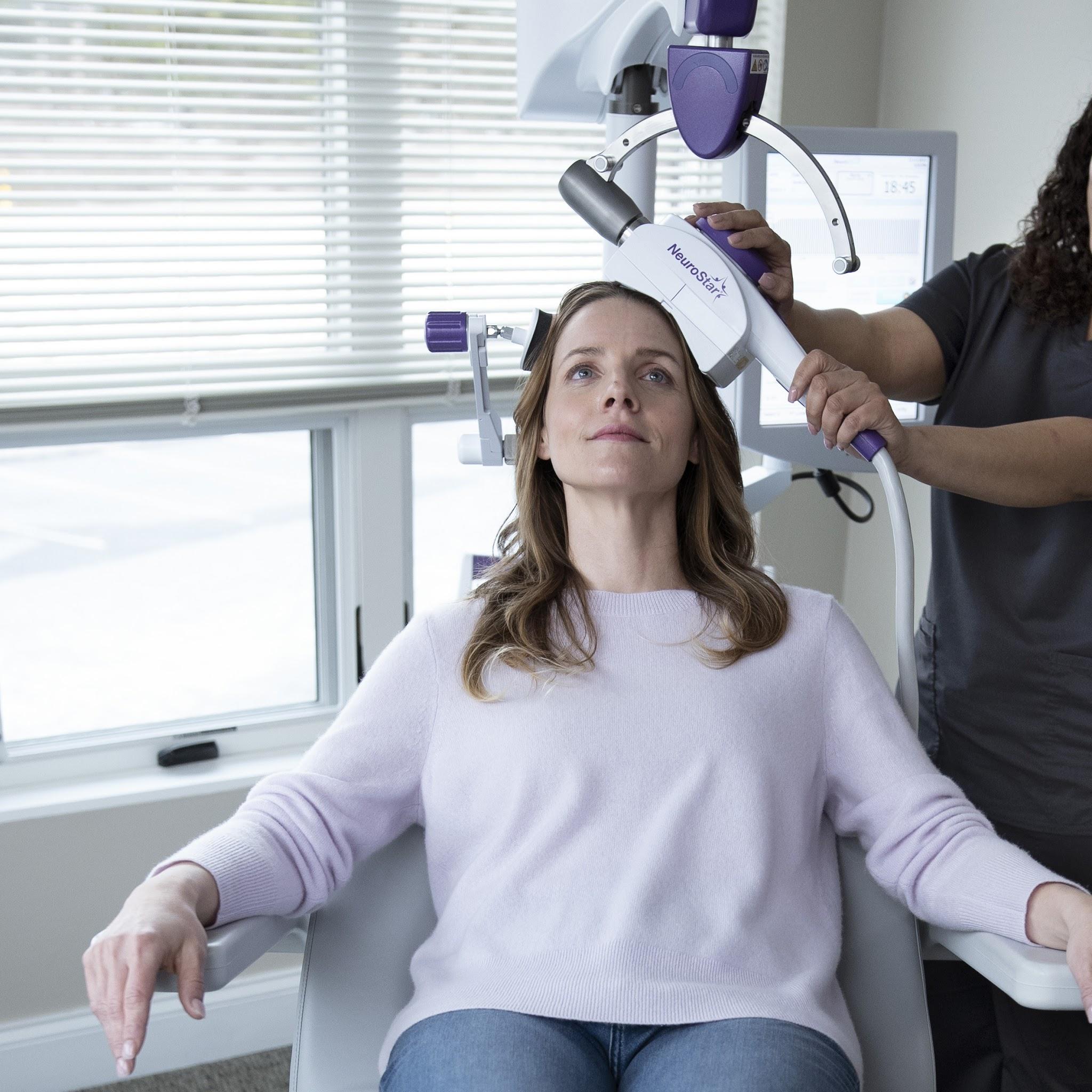
A good TMS clinic should offer a treatment plan that fits your needs, provide medical supervision, explain your options clearly, and work with your schedule and budget.
Before comparing providers, consider whether TMS may be appropriate for your diagnosis and treatment history. The criteria for becoming a candidate for NeuroStar TMS therapy in New Jersey provide additional context about treatment eligibility and factors clinicians consider when evaluating patients.
Start by choosing two or three clinics to compare. Use the same criteria for each one instead of relying only on advertisements, online reviews, or location.
- Doctor oversight: Ask which doctor will evaluate you and who will supervise your treatment. Make sure their credentials are available for verification.
- Device and treatment plan: Find out which TMS device the clinic uses, whether it is FDA-cleared for your intended treatment, and how the clinic will tailor your treatment plan.
- Staff experience: Ask about staff qualifications and experience administering TMS.
- Insurance and costs: Confirm whether the clinic accepts your insurance, whether prior authorization is required, and what you may have to pay out of pocket. Request a written cost estimate.
- Location and schedule: Check the clinic’s location, operating hours, and appointment availability to make sure you can attend sessions consistently.
- Communication and support: Pay attention to how clearly the staff explain the treatment, answer questions, and communicate about scheduling and billing.
- Progress monitoring: Ask how the clinic will track changes in your symptoms and what adjustments may be considered if you see limited improvement.
- Coordination with other providers: Find out whether the clinic can coordinate care with your current psychiatrist or therapist, especially if you are receiving other mental health treatments.
Before making a decision, review each clinic’s website to confirm its locations, services, and treatment options. You can also consult the National Institute of Mental Health’s guide to brain stimulation therapies to learn more about available treatments and what to discuss with a provider.
What to Ask at Your Consultation
The consultation is a chance to find out whether TMS makes sense for you. No one should push you into treatment.
Bring a list of your current and past medications, any other treatments you’ve tried, your insurance information, and your goals for treatment.
Here are some questions to ask:
- Who will evaluate me, and who will supervise my treatment?
- Which TMS device and treatment plan do you suggest, and why?
- Which conditions is this treatment FDA-cleared to treat?
- How will we measure whether I’m getting better?
- What side effects are common, and what warning signs should I watch for?
- What will I pay in total after insurance?
- What other options do I have if TMS doesn’t work?
- How will you work with my current mental health providers?
Also ask whether the consultation, the brain mapping visit, and the insurance check are separate appointments, and whether each one costs extra.
Make sure you understand the schedule too. Standard TMS usually means coming in often, most days of the week, for several weeks. The exact schedule depends on the treatment plan.
After you hear the answers, ask yourself three things. Does this clinic’s approach fit my medical needs? Can I keep up with the schedule? Can I afford the cost?
Choosing the Right Clinic for Your Care
Choosing a TMS provider takes more than checking online reviews, especially when your treatment options depend on your medical history and clinical needs. You need clear answers. Verify the clinician’s license, ask about supervision and safety procedures, and confirm whether the proposed treatment is FDA-cleared for your condition. Before committing, make sure you understand the potential benefits, risks, alternatives, and total cost.
If you’re comparing providers, TMS Center of NJ is a starting point for learning more about TMS treatment options. Visit the website to explore available services and contact the clinic with questions about eligibility, treatment protocols, and costs. Take time to verify the details directly so you can make an informed decision that fits your needs.
Frequently Asked Questions
How do I compare TMS providers in New Jersey?
Compare TMS providers by location, device technology, clinical oversight, treatment options, insurance participation, and total cost. Patient reviews may offer insight into communication and scheduling, but they cannot establish treatment effectiveness. Confirm each clinic’s current services and clinical suitability before scheduling.
How much does TMS therapy cost in New Jersey?
Out-of-pocket costs vary based on clinic pricing models, session frequency, and commercial insurance coverage. Self-pay protocols in the state generally range between $6,000 and $12,000 for a standard 36-session series. Most commercial health plans and Medicare cover TMS for treatment-resistant depression once specific medical necessity criteria are met.
Does insurance cover TMS therapy in New Jersey?
Many insurance plans cover TMS for eligible conditions, particularly major depressive disorder, but requirements vary. Contact your insurer and the clinic to verify benefits, prior authorization, provider participation, and out-of-pocket expenses before starting treatment.
Is TMS safe, and what side effects can occur?
TMS is generally well tolerated when appropriately prescribed and monitored, but side effects can include headaches and scalp discomfort. Seizures are a rare but serious risk. Your clinician should review your medical history, screen for relevant risks, and explain appropriate safety precautions.
How long does a typical TMS treatment course take?
A standard TMS course often involves appointments five days a week over several weeks. The exact schedule depends on the device, protocol, and clinical plan. Accelerated protocols may follow different schedules, so ask your clinician about their suitability, supporting evidence, and expected time commitment.
References
- https://www.fda.gov/medical-devices/guidance-documents-medical-devices-and-radiation-emitting-products/repetitive-transcranial-magnetic-stimulation-rtms-systems-class-ii-special-controls-guidance.
- https://pmc.ncbi.nlm.nih.gov/articles/PMC5846193/