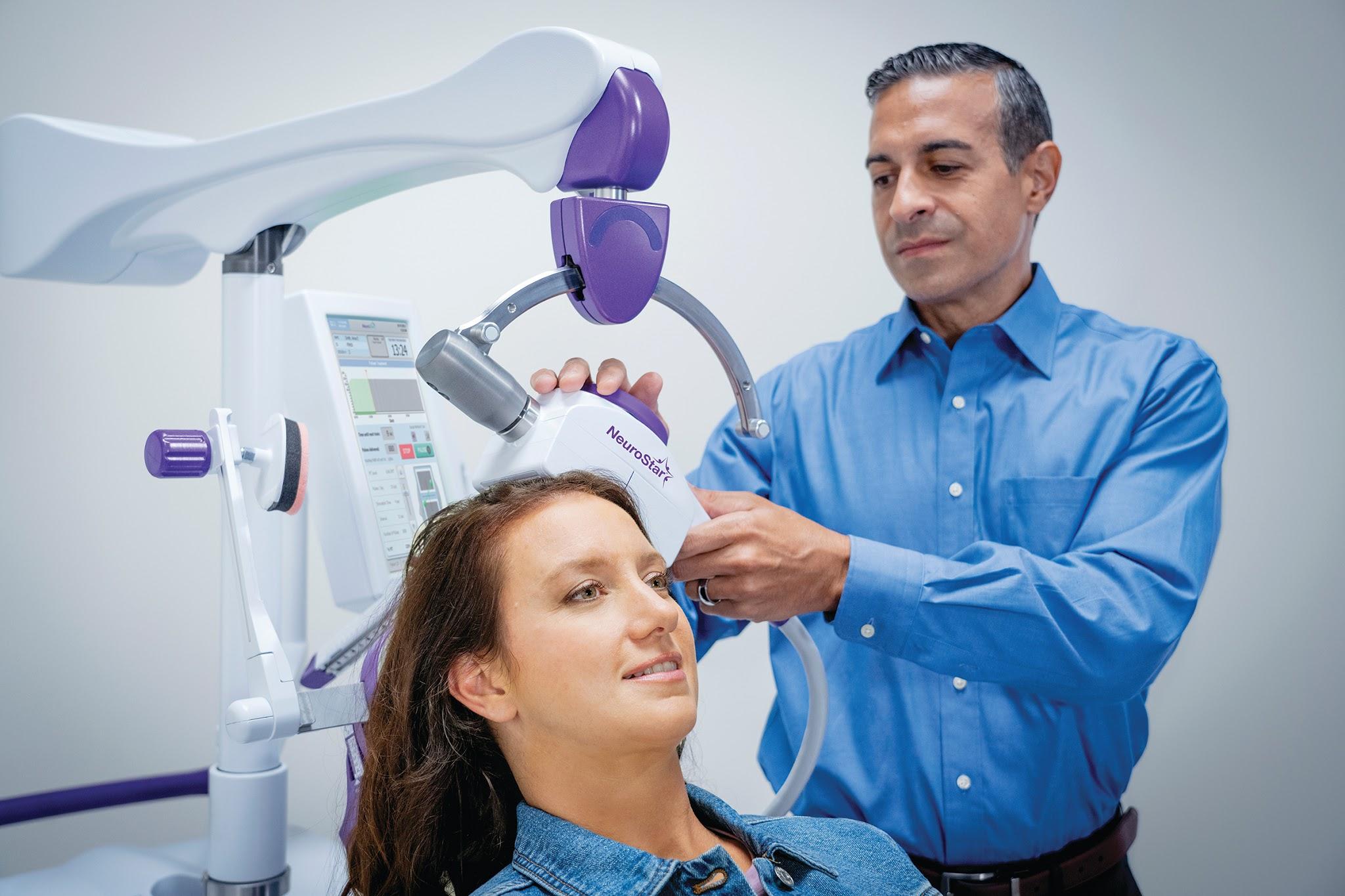
Deep TMS reaches a broader and somewhat deeper area of the cortex than conventional figure-eight TMS. But deeper stimulation doesn’t automatically mean better results. One multicenter trial of 212 adults found that Deep TMS improved depression symptoms compared with sham treatment. So what’s the real difference between these two approaches? And how should that factor into treatment selection at TMS Center of NJ? Keep reading to compare the technologies and see what matters when choosing a TMS treatment.
- Key Takeaways
- Deep TMS vs Standard TMS: Key Differences
- Deep TMS Evidence: Response and Remission Rates
- Why TMS Targeting and Protocols Matter
Is Deep TMS Actually Better Than Standard TMS For Depression?
Deep TMS can work well for depression. So can standard TMS. But there’s no solid evidence saying one beats the other overall.
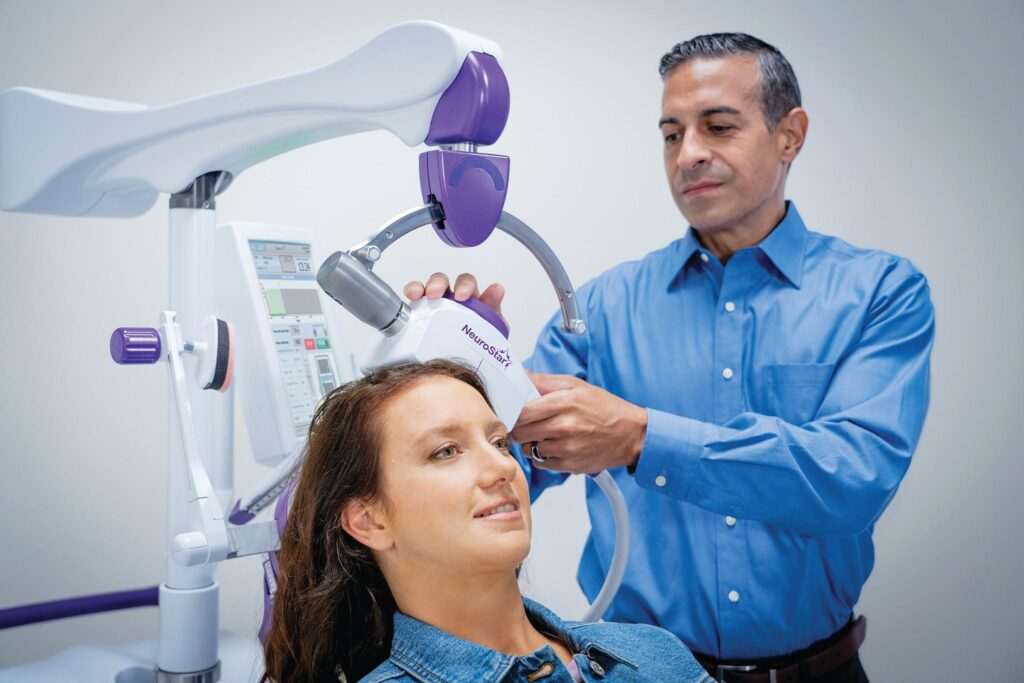
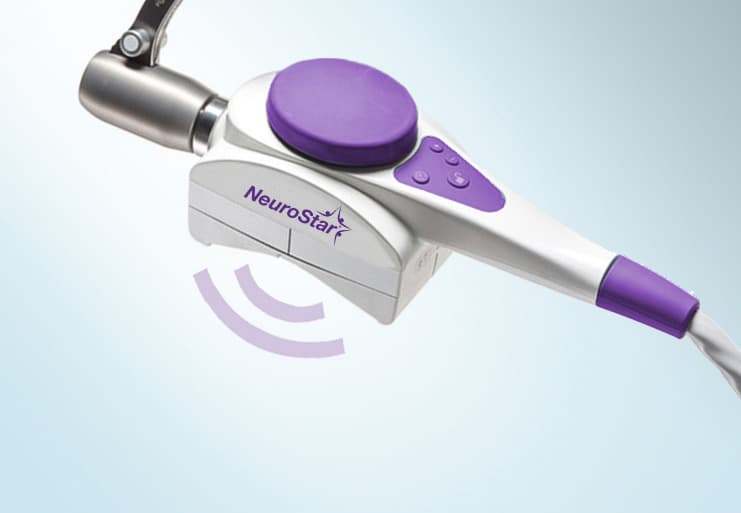
The main difference comes down to the coil. BrainsWay’s Deep TMS uses something called an H coil. Regular TMS machines, like NeuroStar, use a figure eight coil instead. The figure eight coil sends a narrow, focused beam into one spot in the brain. The H coil lights up a wider area, and reaches a little deeper too.
When the FDA reviews these devices, they check a lot of details. Coil shape, how far the magnetic field travels, how strong the pulses are, how long they last. Coil shape is just one piece of a much bigger picture.
| Factor | Deep TMS | Standard TMS |
| Coil design | H-coil | Figure-eight coil |
| Stimulation pattern | Broader and somewhat deeper | More focused and localized |
| Depression evidence | Supported by randomized clinical evidence | Supported by a large body of clinical research |
| Direct comparison | No clear evidence of overall superiority | No clear evidence of overall superiority |
| What may affect results | Targeting, protocol, dose, and patient factors | Targeting, protocol, dose, and patient factors |
| Main consideration | Whether broader stimulation fits the treatment goal | Whether focused stimulation fits the treatment goal |
Standard TMS has been studied for a long time. There’s a huge body of research on it, including for tough cases like treatment resistant depression. Deep TMS has good research behind it too. Studies show it beats a fake treatment. But almost nobody has tested Deep TMS against standard TMS side by side. That comparison just isn’t out there yet.
In a recent analysis by Journal of Neural Transmission
”As for the comparative efficacy between dTMS and rTMS, no definitive conclusions can be drawn; at the time of this review [2025], the two ongoing head-to-head clinical trials comparing the two modalities were not yet completed.” – Journal of Neural Transmission
One well known Deep TMS study looked at 212 adults with depression. Some got real treatment, some got a fake version. The real treatment worked better. It showed Deep TMS beats doing nothing. It never showed Deep TMS beats standard TMS.
So maybe the real question isn’t which coil sounds fancier. It’s which treatment actually fits the person sitting in the chair.
How Does The Deep TMS H-Coil Differ From A Standard Figure-Eight Coil?
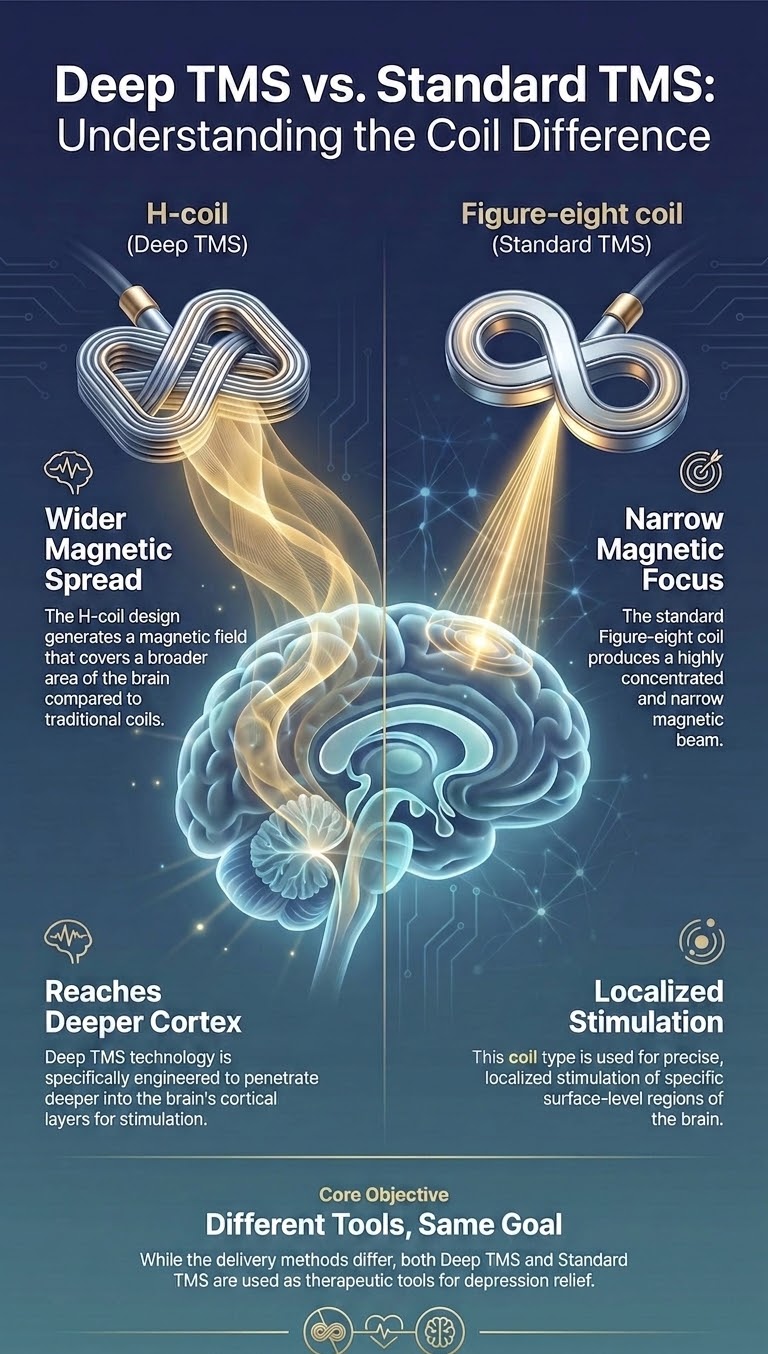
The H coil reaches more brain tissue at once. The figure eight coil zeroes in tight, on one small spot. Neither one wins by default. It depends on what’s being treated, and how.
The FDA pays close attention to small details. Things like how far the field reaches, and how it compares to the motor threshold. That’s basically the amount of stimulation needed to make a small muscle twitch, which doctors use to calibrate the dose. Little differences like this add up fast.
A lot of depression treatment aims at a brain region called the dorsolateral prefrontal cortex. But depression doesn’t come from one single spot. It comes from a whole network, different regions talking to each other, all tangled together.
What Does The Research Actually Show About Deep TMS Results?
There’s a solid study on Deep TMS, and it did beat a fake treatment for depression. That’s worth knowing. But it’s a different question from whether Deep TMS beats regular TMS, we don’t have a clear answer to that yet. For people considering TMS after other treatments haven’t provided enough relief, understanding TMS therapy for depression in New Jersey can help put these research findings into the broader treatment picture.
Doctors studied 212 adults with depression who hadn’t gotten better on antidepressants. They used a standard 21-question depression test to track progress.
- Here’s What Happened:
- Depression scores improved by about 6 points with Deep TMS, versus 3 points with the fake treatment.
- About 38% of patients got meaningfully better on Deep TMS. Only 21% did with the fake treatment.
- 33% of patients went into remission, meaning their depression basically went away, compared to 15% on the fake treatment.
- These results held up for 12 weeks afterward.
Side effects were usually mild. One patient did have a seizure, though there was also a mistake in how their treatment was given that day. The FDA warns that seizures, scalp burns, and scalp discomfort are possible risks, which is exactly why this treatment needs a doctor watching closely.
So What Does This Actually Tell You?
Deep TMS clearly beats doing nothing real. It doesn’t tell you it’s better than other forms of TMS, and it can’t tell you your personal odds.
Research from Journal of Psychiatric Research shows
No definitive conclusions can be drawn about the comparative efficacy of Deep TMS and standard TMS, as head-to-head trials were still ongoing at the time of publication (Journal of Neural Transmission, 2025).
Does Careful Targeting Matter More Than The Type Of Coil?
A 2026 study of 40 adults found that scan-guided targeting may improve outcomes compared with standard head-measurement methods. But this was a small study and doesn’t prove everyone needs a brain scan before TMS.
- After One Month:
- The scan-guided group’s depression scores dropped by 24 points.
- The measurement-guided group dropped by 18 points.
- Roughly 1 out of every 5 patients did meaningfully better because they got the scan.
The scan took 41 minutes and pinpointed each person’s own best spot in the front of the brain. The other group used a standard method called Beam F3, which just measures the head.
What Did This Study Actually Find?
Basically: using a scan to personalize the target worked better than the standard head-measurement method, at least in this small group. The researchers think it’s promising enough to study more, but it’s not proven at a large scale yet.
That doesn’t mean everyone needs a brain scan before TMS. And it doesn’t prove scan-guided targeting beats every other method out there. Only 40 people were in this study, and they got a specific, high-dose version of TMS, so it’s hard to say how well this applies to regular outpatient treatment or to comparing coil types.
- Questions Worth Asking Your Doctor
- Is my treatment spot based on head measurements, or something more personal to me?
- How will you find the same exact spot every time?
- How do you figure out my motor threshold?
- How will you track whether I’m actually improving?
- What would make you change my treatment plan?
The Bigger Picture
What matters most is where the treatment is aimed, how much you get, whether someone’s tracking your progress, and whether a psychiatrist is actually involved the whole time.
Personalized targeting looks promising. But it’s still new. Right now, the evidence says it deserves attention, not that a scan should replace a real evaluation from your doctor.
Does Deep TMS Hurt More Or Less Than Standard TMS?
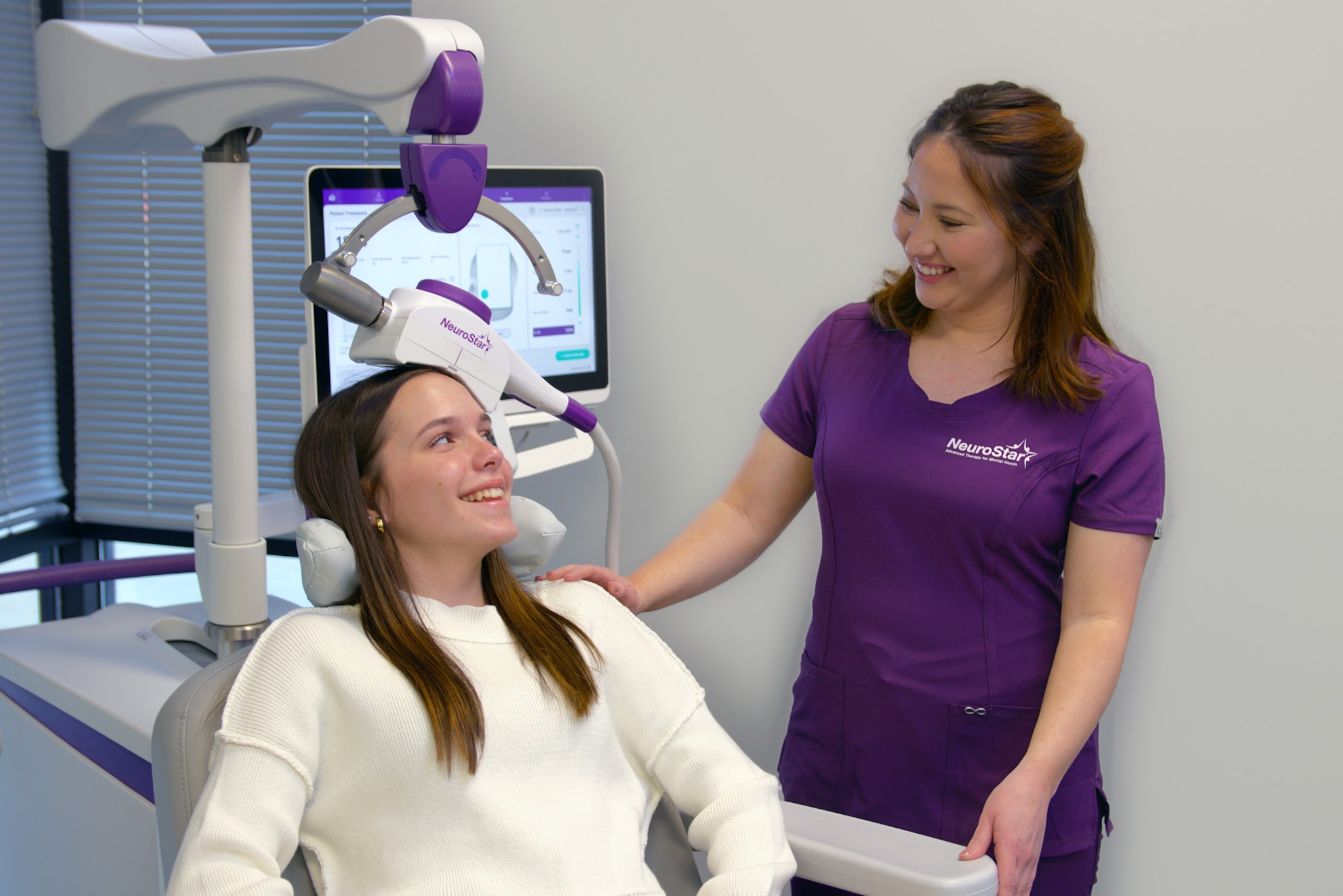
There’s no clear winner. Comfort depends on things like how strong the stimulation is, where the coil sits on your head, your own anatomy, your motor threshold, how much your facial muscles react, how slowly the treatment ramps up, and how fast the clinical team responds if something feels off.
During treatment, most people feel a tapping or knocking sensation on the scalp. Some people get mild scalp discomfort or a headache afterward. The FDA lists scalp discomfort as one of the risks device makers have to plan for and label clearly.
So the name of the device, Deep TMS or standard TMS, doesn’t tell you much about how it will actually feel. A comparison of NeuroStar TMS vs. other treatments can also help you understand how different approaches compare beyond just the name.
What Affects Comfort?
A few things tend to matter most:
- How your motor threshold is set
- Where the coil is placed
- How strong the stimulation is
- How quickly the dose is ramped up
- How sensitive your scalp and facial muscles are
- How well the technician communicates and adjusts things during treatment
Good TMS treatment shouldn’t mean gritting your teeth through serious pain. If something hurts a lot or won’t let up, tell your care team. They can adjust the treatment or figure out what’s going on.
At TMS Center of NJ, TMS is usually just one piece of a bigger plan. That plan can include your diagnosis, what antidepressants you’ve tried before, therapy, medication management, tracking your symptoms, and your personal goals.
That bigger-picture approach matters because TMS is usually tried after other standard treatments haven’t worked well enough. It’s not meant to replace first-line care for someone with mild depression.
So the real question isn’t just “does it hurt?” It’s whether the clinic has good safety checks and monitoring in place for the whole course of treatment.
Why Can Hair, Head Position, And Motor Threshold Affect Treatment?
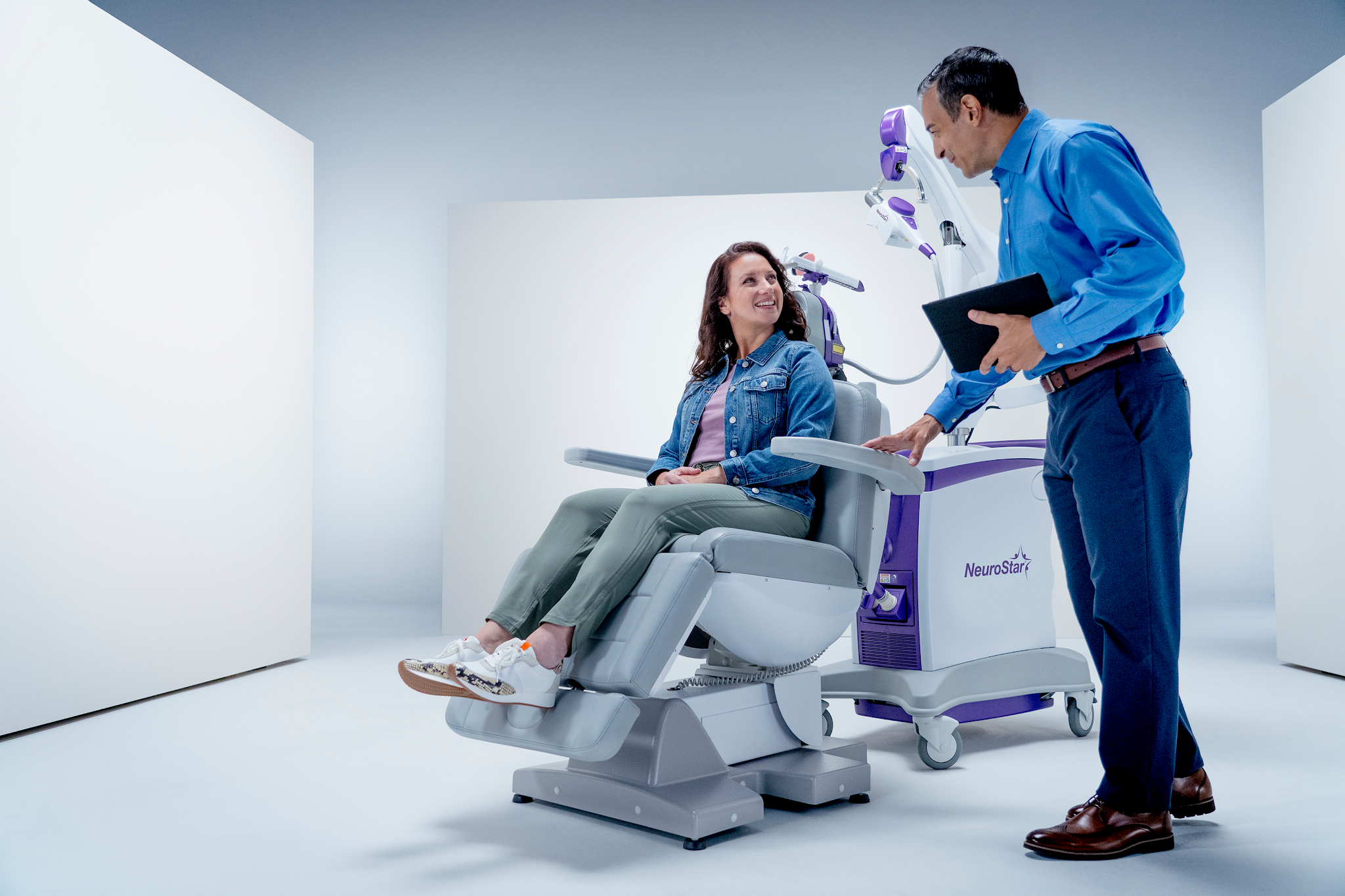
TMS only works well when the coil lands in the same spot every single time. That’s why head position and pulse strength matter so much.
This is a practical detail most people never hear about. The coil has to line up with the right spot on your head, and your head has to stay in roughly the same position each visit.
Hair can sometimes get in the way of this. In 2024, clinicians on the Clinical TMS Society’s professional forum talked about a case where thick braids made it hard to get an accurate motor-threshold reading. That’s just a real-world snag, not a rule saying patients need a certain hairstyle.
The right move is to talk about it early. A good clinic brings up positioning issues before treatment starts, not halfway through a multi-week course.
Measuring the motor threshold is its own step. Your care team needs a reliable way to set the right strength, following the process built into their specific device.
The FDA has guidance on motor-threshold measurement, stimulation settings, patient screening, safety rules, labeling, and staff training. That’s part of why TMS should only happen under real medical supervision.
Before you start, it’s fair to ask:
- How will you find my treatment target?
- How will you keep my head in the same spot each time?
- How will you measure my motor threshold?
- What happens if the first session feels uncomfortable?
- How will you make sure the coil placement is the same at every visit?
These questions apply no matter what kind of TMS you’re getting, Deep TMS, standard figure-eight TMS, whatever. “Deep” in the name doesn’t mean the setup matters any less.
What Safety Questions Matter If You Have Implants Or Metal Near Your Head?
Don’t try to clear yourself for TMS. Don’t rely on an MRI safety label, an internet checklist, or someone telling you an implant is “safe.” Your doctor needs to look at your specific device, where it is, and what the safety rules say about it.
TMS uses a magnetic field that changes very fast. Any metal, magnet, or electronic device near your head can react to that field. That’s why your doctor needs to check first.
Your doctor will want to know about things like:
- Implanted electronic devices
- Deep brain stimulation systems
- Cochlear implants
- Other implanted stimulators
- Metal implants near your head
- Jewelry you can’t remove
- Implants near your eyes
- Any other permanent material in your body
- Your neurological history
- Medications you’re taking
The FDA says doctors need to check contraindications, precautions, side effects, and other risks before using rTMS devices. Each device also comes with its own instructions that add more detail.
Here’s an important point: MRI-safe does not mean TMS-safe. These are two different tests. A device can be fine for an MRI machine and still not be fine for TMS.
The same goes for metal you’re not sure about. Don’t test jewelry or an implant with a magnet at home, and don’t trust advice from the internet about whether it’s okay to keep it in during treatment.
Companies like BrainsWay and NeuroStar each give their own safety guidelines, because their machines don’t all work the same way. Your treatment decision should follow that device’s instructions and your doctor’s exam, not general advice.
NeuroStar also won’t treat someone if TMS isn’t the right treatment for them, or if they have certain implants or other blocking conditions. This is why safety checks happen before your treatment plan is set, not after.
What Happens If Depression Returns After TMS?
Sometimes depression comes back after TMS. Even after a round that worked. That does not mean anything went wrong. It just means we need to look again, carefully, and figure out what is happening now.
The first step is simple. We measure where you stand right now. We check your PHQ9, MADRS, or another symptom scale, and compare it to your scores from before treatment and right after it ended. Looking at TMS success rates for depression in the context of response, remission, and durability can also help explain why improvement does not necessarily mean symptoms will never return.
| Question we ask | Why it matters |
| Have symptoms come back? | Shows us how you are doing right now |
| Did TMS help last time? | Tells us what worked before |
| How fast did symptoms return? | Guides how we respond |
| What protocol did you use before? | Reminds us what has already been tried |
| Did meds or therapy change? | Rules out other causes |
| Does another round make sense? | Points to the next step |
| Will insurance cover it again? | Flags cost problems early |
There is no set schedule for a tune up round of TMS. Researchers are still working out the best way to prevent relapse. You should know exactly who to call if you start feeling worse between appointments. And before another round starts, we will walk you through how that decision gets made.
That matters most for people with treatment resistant depression. Staying well often takes more than one tool. Therapy. Medication. Daily habits. Sometimes other treatments too.
What Can NeuroStar Offer At TMS Center Of NJ?
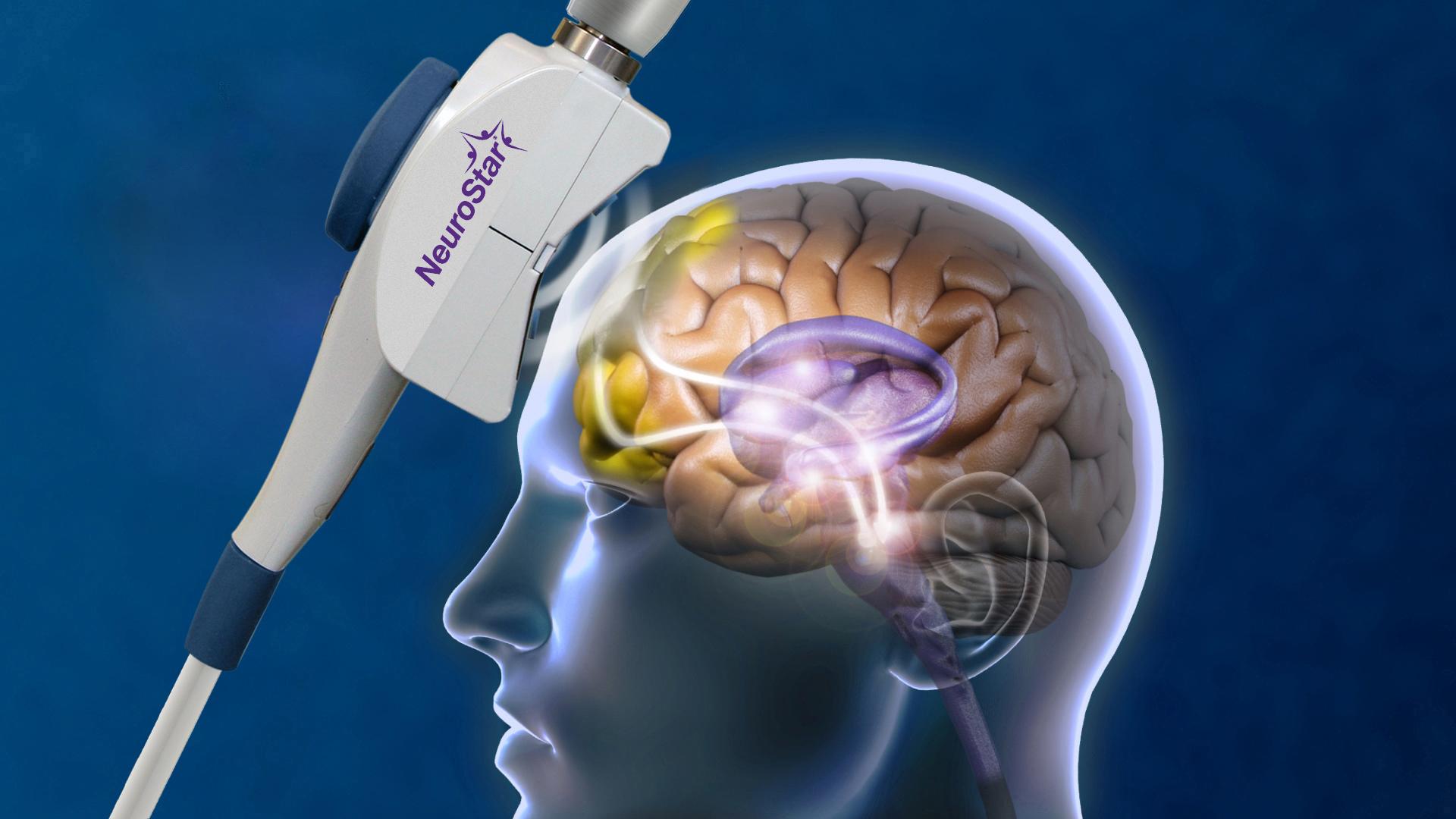
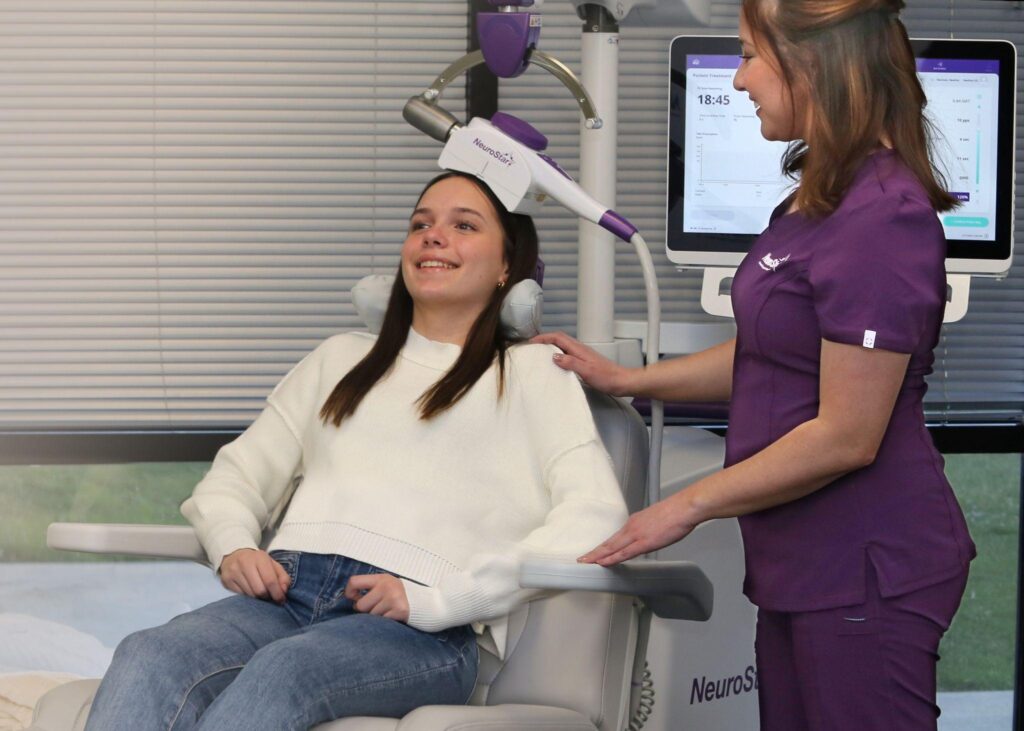
TMS Center of NJ offers NeuroStar TMS therapy in our office, under the supervision of a psychiatrist, as part of a care plan that looks at the whole patient, not just symptoms. For patients in the area, NeuroStar TMS therapy in Ocean County is another option within a structured outpatient approach.
NeuroStar is an FDA-cleared TMS device approved for certain mental health conditions. Here, we use it as one tool among many in psychiatric care, not as a replacement for other treatments that work.
We evaluate patients with major depression, including those who’ve tried antidepressants without full relief, to see if TMS makes sense for them. NeuroStar is also cleared for OCD and for depression that comes with anxiety, depending on the exact label. A psychiatric evaluation is the only way to know for sure if someone qualifies.
You don’t need anesthesia or sedation for this treatment. You stay awake during each session, and most people go back to their normal day right after.
Here’s what treatment usually looks like: a psychiatric evaluation, a review of your medical and medication history, a safety check, a decision on whether you’re a good candidate, a motor threshold test, the actual treatment sessions, and then follow-up care to track how you’re doing.
Our approach can include:
- TMS treatment
- Medication management
- Therapy
- Tracking symptoms over time
- Regular psychiatric check-ins
- Follow-up visits and adjustments to your plan
NeuroStar isn’t right for everyone. Certain implants, metal near the treatment area, or other safety concerns can rule it out. It’s also not meant for mild depression that’s already well managed with standard treatment, TMS isn’t a first choice in those cases.
What Should Patients Remember Before Choosing Deep TMS Or Standard TMS?
Deep TMS is an FDA-cleared approach with evidence for major depressive disorder, but “deeper” doesn’t mean better for every patient. The 212-patient trial found Deep TMS performed better than sham, with response and remission rates of 38.4% and 32.6%. Still, those results don’t guarantee the same outcome for everyone. The takeaway: treatment should match the individual.
For patients who haven’t improved with conventional treatment, the right choice depends on the device, target, protocol, and safety process. TMS Center of NJ can help determine if NeuroStar TMS fits your needs. TMS is one part of care, not a replacement for psychiatric support.
If you or someone you know is experiencing a mental health crisis, call or text 988 for immediate support.
FAQs
How Do Deep TMS And Standard TMS Differ For Depression Treatment?
Deep TMS for depression and standard TMS for depression are both forms of noninvasive depression treatment. Their main difference involves how magnetic stimulation reaches and affects targeted brain regions. During a TMS treatment consultation, a clinician can explain the relevant TMS coil differences and determine whether either approach is appropriate for major depressive disorder treatment based on the patient’s symptoms and treatment history.
What Factors Affect Deep TMS Effectiveness And Standard TMS Effectiveness?
Deep TMS effectiveness and standard TMS effectiveness can vary based on the patient’s diagnosis, symptom severity, treatment protocol, and previous treatment history. Research reports different TMS response rates and TMS remission rates across clinical studies. However, these results do not predict an individual patient’s outcome. A clinician should review the available evidence and treatment history before discussing expected results.
Do Deep TMS And Standard TMS Have Different Side Effects?
Deep TMS side effects and standard TMS side effects can include headaches, scalp discomfort, and involuntary facial muscle movements during treatment. Most reported effects are temporary and manageable. TMS safety profile information also identifies seizure as an uncommon risk. Before treatment, a clinician should review the patient’s medical history, medications, and TMS contraindications to determine whether treatment is appropriate and safe.
What Determines Deep TMS Cost And Standard TMS Cost?
Deep TMS cost and standard TMS cost can vary based on the treatment provider, location, number of TMS treatment sessions, and treatment protocol. TMS insurance coverage also depends on the patient’s insurer and eligibility requirements. During a TMS treatment consultation, patients should ask about the full treatment cost, insurance benefits, out-of-pocket expenses, and whether maintenance therapy may require additional payments.
Who Qualifies For TMS After Antidepressants Fail To Provide Enough Relief?
TMS eligibility criteria depend on the patient’s diagnosis, symptom severity, previous treatments, medical history, and treatment goals. Patients with treatment resistant depression or antidepressant resistant depression may qualify when antidepressants have not provided sufficient relief. A clinician can assess whether TMS is appropriate and discuss alternatives based on the patient’s condition, previous treatment response, and individual treatment needs.