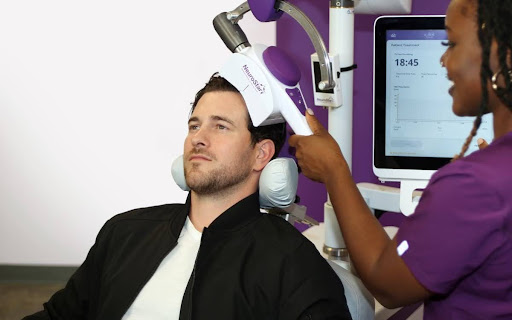


Exploring depression treatment through TMS therapy offers an advanced, non-invasive alternative for adults with major depressive disorder who have not found adequate relief from medication or talk therapy. This approach uses targeted magnetic pulses to stimulate mood-regulating brain networks without surgery or systemic side effects.
Because every individual experiences mental health differently, care plans must be tailored to personal symptoms and medical history. TMS Center of NJ helps patients explore evidence-based depression treatment options alongside experienced clinical providers.
- Depression Treatment Depends on Your Individual Needs
- TMS May Help When Other Treatments Fall Short
- A Professional Assessment Helps Guide Treatment Choices
What Is Depression, and What Treatments Are Available?
Depression is a real medical illness. It changes your mood, your thoughts, and even how your body feels. Sleep gets harder. Work gets harder. Staying close to the people you care about can feel like too much. Treatment aims to ease your symptoms, help you get back to your routine, and keep you feeling well over time.
What are the common symptoms of depression?
Everyone feels down once in a while. Depression is different. The symptoms show up most days, often for two weeks or longer, and get in the way of daily life. Understanding depression symptoms and treatment options can also help you prepare for a conversation with your clinician.
Common symptoms include:
- Feeling sad or empty, or a low mood that won’t lift
- Losing interest in things you used to enjoy
- Feeling tired all the time
- Eating or sleeping more or less than usual
- Trouble focusing or making choices
- Feeling guilty, worthless, or hopeless
- Moving or talking more slowly, or feeling too restless to sit still
- Thinking about death or suicide again and again
What are the main treatment options?
Several treatments have good research behind them. Your doctor might pick one. Or they might combine a few, depending on what you need.
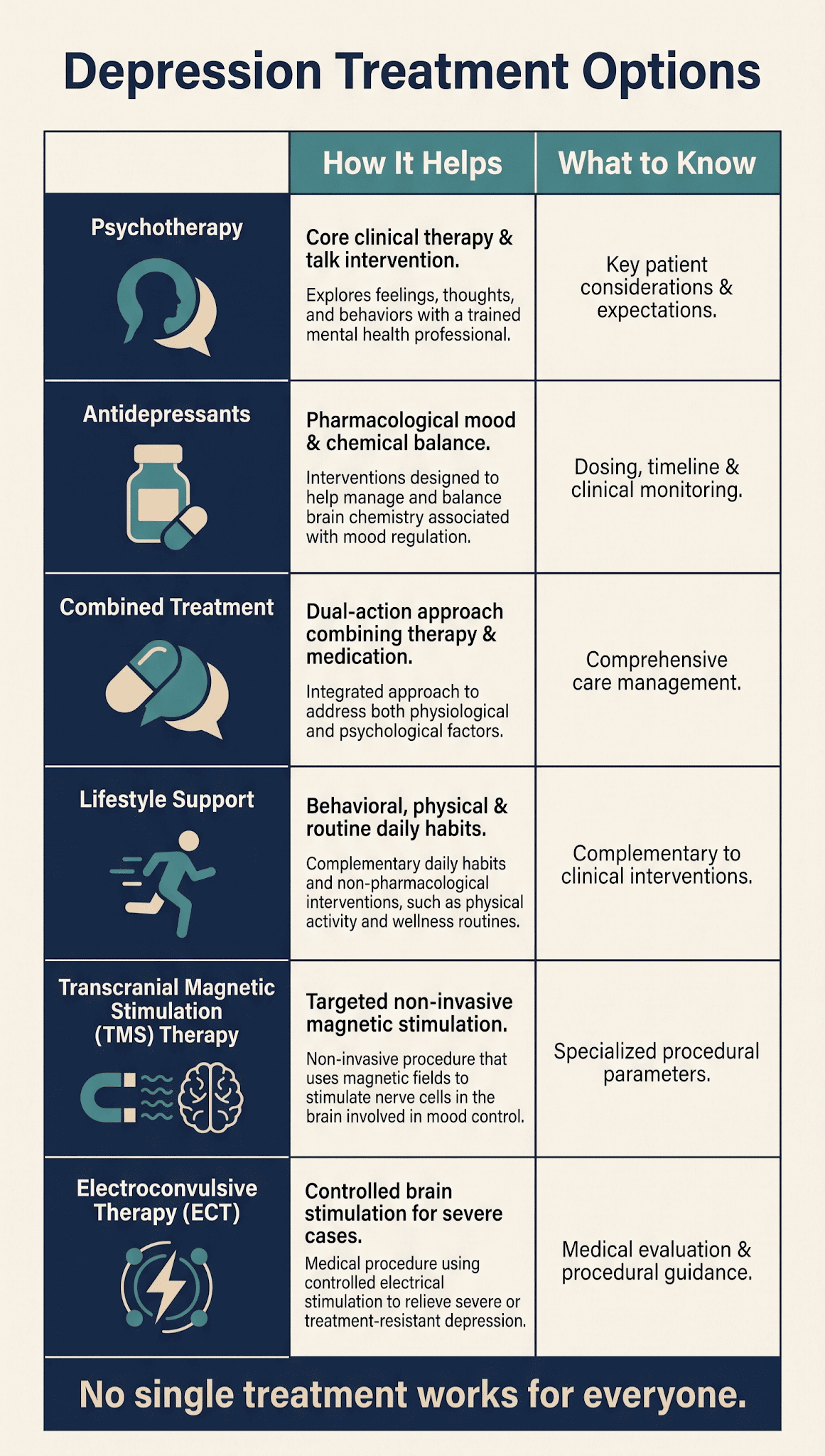
| Treatment Option | How It Helps | What to Know |
| Psychotherapy (Talk Therapy) | Helps people identify unhelpful thought patterns, manage emotions, and develop coping skills | Requires regular sessions and active participation |
| Antidepressants | Help reduce depression symptoms by affecting brain chemicals involved in mood regulation | Benefits and side effects vary between individuals |
| Combined Treatment | Combines psychotherapy and antidepressant medication | May be recommended depending on symptom severity and treatment response |
| Lifestyle Support | Supports mental health through physical activity, regular sleep, and healthy daily habits | Complements professional treatment but may not be sufficient on its own |
| TMS Therapy | Uses magnetic pulses to stimulate targeted brain areas involved in mood regulation | Requires a clinical assessment and repeated treatment sessions |
| Electroconvulsive Therapy (ECT) | Uses controlled electrical stimulation under general anesthesia to treat certain severe or treatment-resistant cases of depression | Requires specialist evaluation and medical supervision |
No single treatment works for everyone. If you don’t feel better, say so. Your doctor can change your plan or try something new.
Which Depression Treatments Are Used First?
Most doctors begin with talk therapy, antidepressants, or both. Where you start depends on how severe your symptoms are, what you have tried before, your other health problems, and what you want. Your voice matters here.
How do talk therapy and medicine compare?
Talk therapy gives you a clear plan for handling depression. In cognitive behavioral therapy (CBT), you learn to notice negative thoughts and replace them with more helpful ones. Interpersonal therapy and behavioral activation are two other kinds that help many people.
Antidepressants like SSRIs (such as sertraline or escitalopram) remain a standard starting point, but in practice, waiting for them to work requires immense patience. We often guide patients through an initial 4-to-8-week adjustment window where side effects like mild nausea or insomnia appear early, while the full therapeutic mood improvement develops gradually.
Healthy habits can help as well. Exercise, steady sleep, good food, and time with friends and family all matter. Still, they shouldn’t take the place of the mental health care you need.
Your doctor can walk you through the benefits, limits, and side effects of each choice.
What happens if standard treatment does not work?
If you’re still struggling, your doctor will look at the whole picture again. They may recheck your diagnosis, your medicine dose, how long you have been treated, any side effects, and anything else that could be holding you back.
When we evaluate individuals who have tried two or more full rounds of antidepressant medications without meaningful relief, we assess them for what clinical guidelines categorize as treatment-resistant depression (TRD). In our office, this is not a sign of hopelessness; rather, it signals that we need to target different neurological pathways beyond standard oral medication.
Not experiencing improvement does not mean further options are unavailable. Your doctor can review your treatment history and discuss advanced interventions, including whether initiating depression treatment through TMS therapy is an appropriate next step.
What Is TMS Therapy, and How Does It Work?

Transcranial magnetic stimulation (TMS) is a treatment that uses magnetic pulses to stimulate parts of the brain that help control mood. It does not require surgery.
Doctors may suggest TMS for some people with major depression, especially when other treatments have not worked well enough.
TMS is different from medication. Nothing enters your bloodstream. It is also different from electroconvulsive therapy (ECT), because you do not need general anesthesia.
The U.S. Food and Drug Administration (FDA) has cleared certain TMS devices for certain uses. Clearance applies to a specific device and a specific condition. Make sure the treatment you are offered fits your diagnosis.
For more information, read the FDA’s guidance on repetitive transcranial magnetic stimulation systems.
How does TMS help with depression?
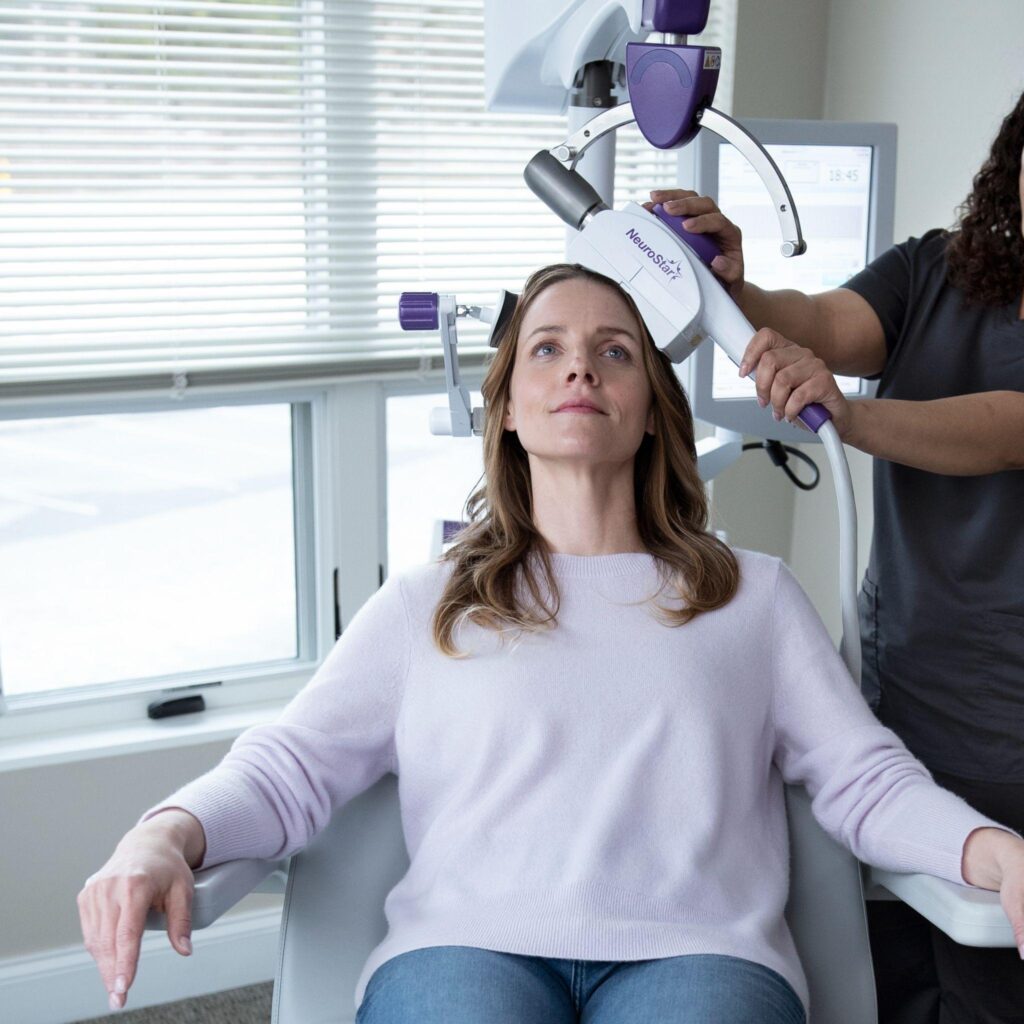
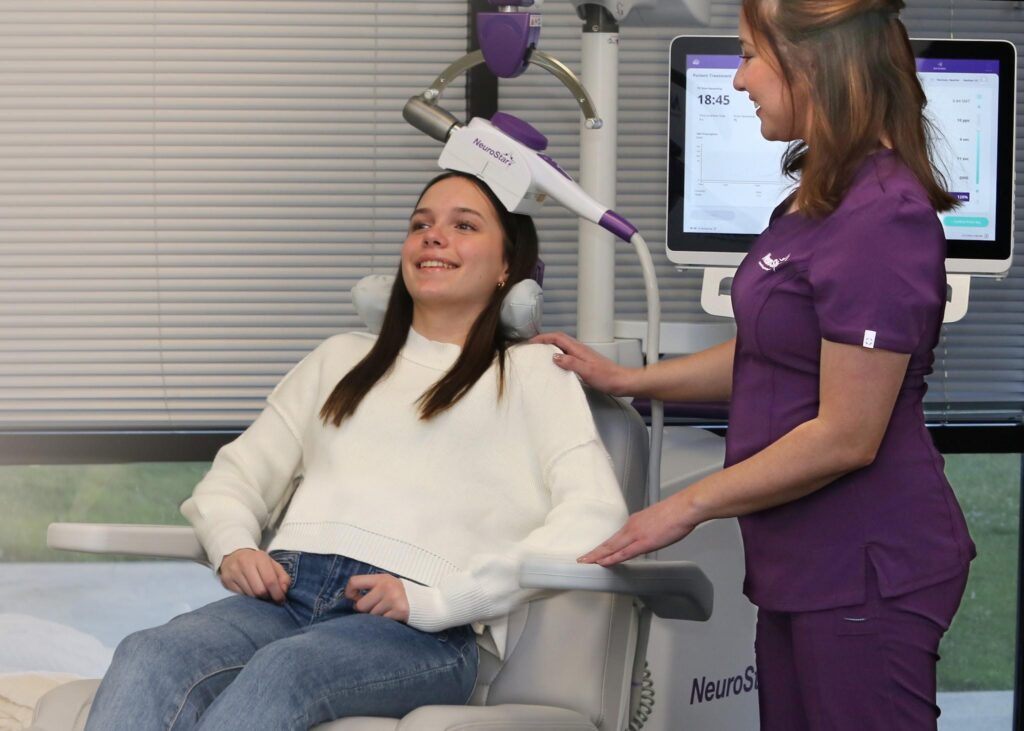
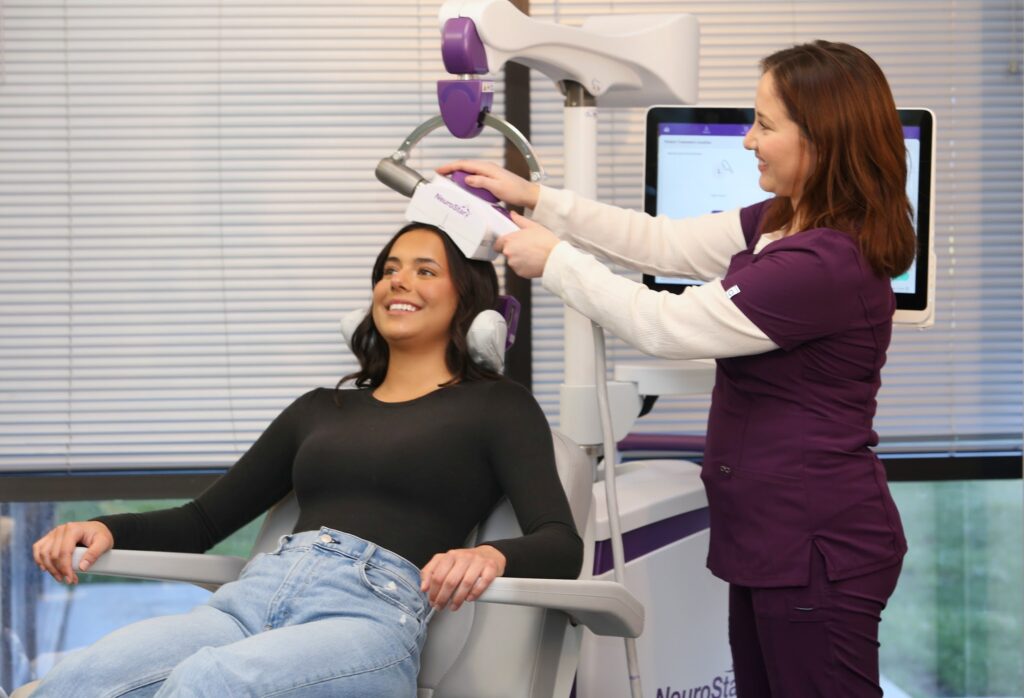
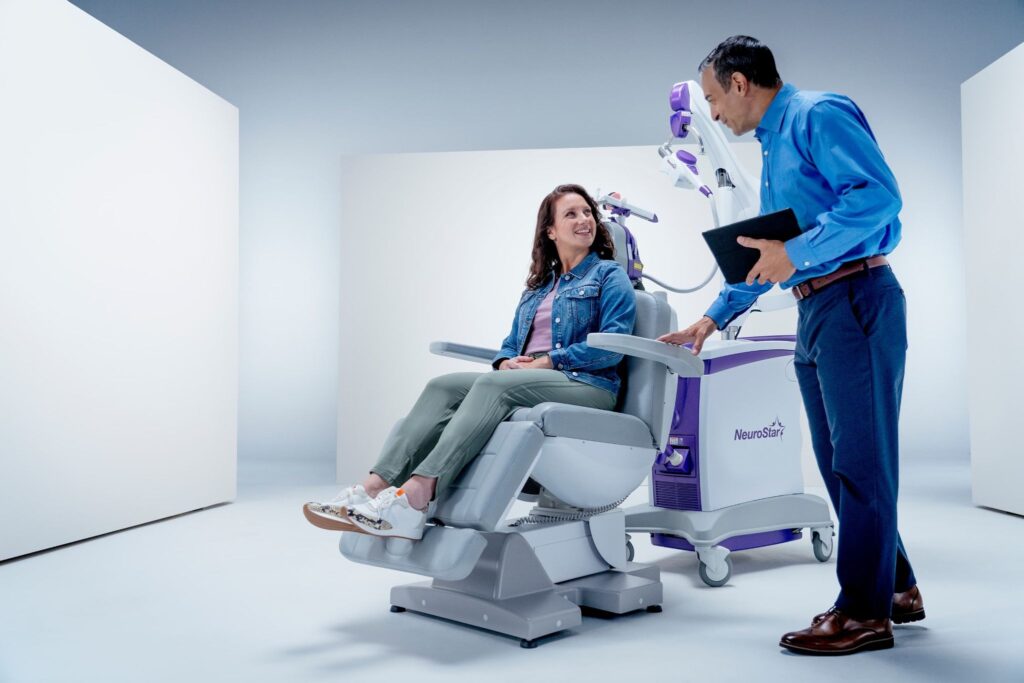
During treatment, a clinician places a magnetic coil against your scalp. The coil sends short magnetic pulses into a targeted area of the brain, creating a weak electrical current that activates nerve cells. The process used in NeuroStar TMS therapy in New Jersey provides a more specific example of how this type of treatment is delivered.
This activity affects the brain circuits that help control mood. Researchers are still learning exactly how TMS works. We do know it helps some people with depression.
In a recent analysis by PubMed
“This analysis suggests that rTMS for LL-TRD may be superior to pharmacotherapy and supports the use of rTMS earlier in the treatment algorithms for LL-TRD.” – PubMed
For those people, TMS can lessen depression symptoms and make daily life easier. Some notice better mood, more energy, or better focus. Others get little or no benefit.
Results are different for each person. TMS is not a cure. Finishing a course of treatment does not guarantee that your depression will go away or stay away.
Treatment usually follows these steps:
- Initial assessment: Your clinician reviews your diagnosis, symptoms, health history, and past treatments.
- Treatment planning: Your clinician chooses the device, the area of the brain to treat, and the settings.
- Positioning: The coil is placed against your scalp.
- Stimulation: The device sends pulses based on your treatment plan.
- Progress checks: Your care team tracks your symptoms, your response, and any side effects.
TMS is done in an outpatient setting, so you go home the same day. You stay awake during the session. Most people can return to normal activities afterward, unless your clinician tells you otherwise.
Who may be a candidate for TMS?
TMS may be an option for adults with major depression who have not improved enough with other treatments. It may also be worth talking about if medication side effects are a problem.
Still, trying other treatments first does not mean you automatically qualify. A specialist needs to review your diagnosis, health history, past treatments, and risks.
Safety is our highest priority before starting any protocol. During our initial clinical intake, we conduct a detailed head-and-neck screening for any ferromagnetic metal objects, non-removable implants, or seizure risk factors to ensure our TMS equipment can be operated with absolute safety for your specific health profile.
Some implants and metal objects make certain TMS machines unsafe to use. Your clinician will check the safety rules for the device and decide whether TMS is right for you.
What Should You Expect During TMS Treatment?
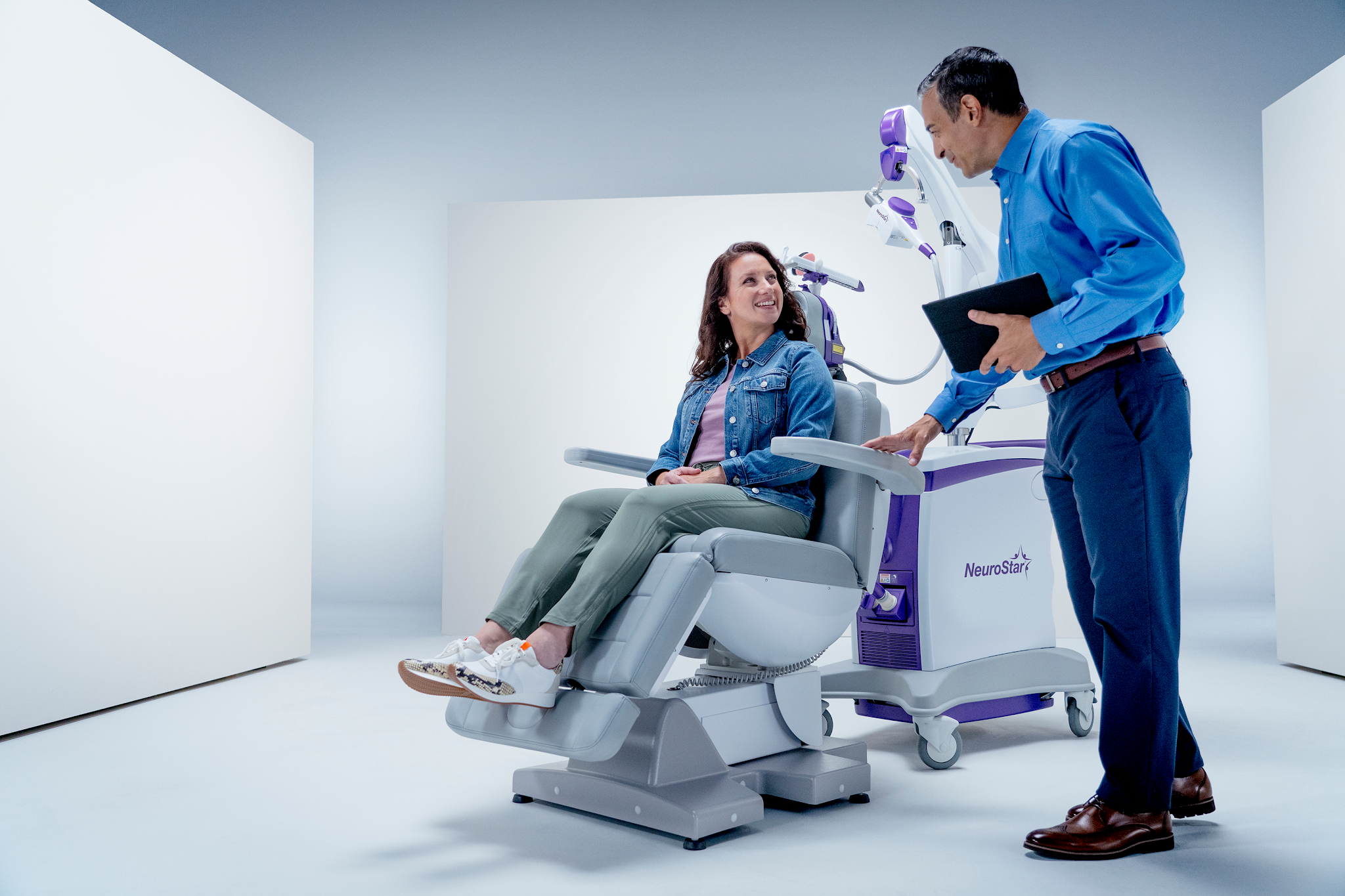
At your first visit, the clinician finds the right spot on your head and sets the strength of the pulses. The team should explain your schedule, what may feel uncomfortable, the safety steps they take, and how they will track your progress.
During a typical session in our treatment room, you remain awake and seated comfortably while the magnetic coil is positioned precisely against your scalp. Most patients describe the pulse sound as similar to a quiet wood-pecker tapping rhythm or a rhythmic clicking noise, accompanied by a light tapping sensation on the forehead or scalp that quickly becomes familiar after the first few sessions.
Some people have mild discomfort, a sore scalp, or a headache, especially in the first sessions. These often get better as treatment goes on. If they last or are severe, tell your care team.
What are the benefits and potential side effects of TMS?
For the right patient, TMS has some practical benefits. It does not require surgery or general anesthesia. It also avoids many of the whole-body side effects that come with antidepressant medicine.
Potential benefits include:
- Provides a viable alternative when standard antidepressants or therapy fall short.
- Requires no sedation, general anesthesia, or recovery downtime.
- Allows patients to remain awake, comfortable, and alert throughout each session.
- Enables an immediate return to work, driving, and daily responsibilities post-treatment.
- Avoids systemic side effects commonly associated with oral medications, such as weight gain or sexual dysfunction.
The most common side effects are headache, scalp discomfort, and twitching of the face muscles during treatment. Some people feel lightheaded or notice changes in their hearing.
Data from Mayo Clinic demonstrates
“Generally, rTMS is considered safe and well-tolerated. However, it can cause some side effects. Common side effects may include: Scalp discomfort and pain. Headache. Tingling, spasms or twitching of facial muscles. Lightheadedness.” – Mayo Clinic
Seizure is rare, but it is a serious risk. Your clinician should talk with you about this risk and check your health history for anything that could raise it. You should also wear ear protection, because the machine makes repeated loud clicks.
If your symptoms get worse during treatment, tell your clinician right away. If you have thoughts of suicide and cannot keep yourself safe, get emergency help right away.
How does TMS compare with medication and psychotherapy?
TMS, antidepressants, and psychotherapy (talk therapy) work in different ways. Each one also asks something different of you.
| Feature | TMS Therapy | Antidepressants | Psychotherapy |
| Treatment Method | Uses magnetic pulses to stimulate targeted brain areas | Uses medication to help manage depression symptoms | Uses structured conversations and psychological techniques |
| Typical Setting | Outpatient clinic | Prescribed for use at home, with clinical follow-up | In-person or online sessions |
| Treatment Commitment | Repeated appointments over several weeks | Regular medication use and follow-up visits | Regular sessions and active participation |
| Common Side Effects or Challenges | Headache, scalp discomfort, and a rare risk of seizures | Side effects vary depending on the medication | Requires time, consistent participation, and access to a qualified therapist |
| Potential Role | May help adults with major depression who have not responded adequately to previous treatments | Commonly used as an initial treatment for depression | Can help people manage depressive symptoms and develop coping strategies |
| Can It Be Combined With Other Treatments? | Yes, depending on the treatment plan | Yes, depending on the treatment plan | Yes, depending on the treatment plan |
Understanding whether TMS really helps with depression can provide additional context when comparing treatment options and discussing expected outcomes with your clinician.
Your clinician should explain the benefits, risks, other options, and time demands of each treatment. You should also talk about how your progress will be tracked and what the plan is if treatment does not help enough.
Do not stop or change your medicine without talking to the doctor who prescribed it.
When Should You Seek Professional Help for Depression?

See a qualified mental health professional if your depression lasts, gets in the way of daily life, or makes it hard to handle work, relationships, or taking care of yourself.
A primary care clinician can start the evaluation. If needed, they can refer you to a psychiatrist, psychologist, or another specialist.
If past treatment has not worked, a specialist can review your care plan and talk with you about other options, including whether TMS makes sense for you.
What should you ask a TMS provider?
Before you start, ask the provider how TMS fits your needs.
Good questions include:
- Is TMS right for my diagnosis and treatment history?
- Which device and settings do you recommend, and why?
- What results and side effects should I expect?
- How will you track my symptoms and safety?
- What are my other options if TMS does not help?
- Can I keep taking my medicine or seeing my therapist?
- How long will treatment take, and what will it cost?
For people considering treatment in Ocean County, New Jersey, NeuroStar TMS therapy in Ocean County, NJ is one local service option to discuss with a qualified provider. A consultation can help determine whether TMS is appropriate for your diagnosis and treatment history.
What should you do if depression becomes a crisis?
Experiencing thoughts of suicide, self-harm, or an inability to maintain personal safety requires immediate intervention, routine outpatient TMS sessions are not designed for acute psychiatric emergencies. Do not wait for your next scheduled appointment to seek help.
If you are in crisis or immediate danger, call 911 or visit the nearest emergency room. You can also call or text 988 to connect with the Suicide & Crisis Lifeline for confidential, 24/7 support. Whenever possible, reach out to a trusted loved one to stay with you while accessing emergency care.
Depression Treatment: Finding the Right Next Step
Navigating major depressive disorder can feel overwhelming, especially when traditional therapies have not provided sustained relief. However, treatment-resistant symptoms do not mean an absence of viable pathways forward. TMS therapy provides an FDA-cleared, targeted modality designed to re-engage dormant neural circuits when oral medications fall short.
If you or a loved one continues to struggle with persistent symptoms, a comprehensive clinical evaluation is the most effective first step. Contact TMS Center of NJ today to schedule a consultation, discuss your treatment history, and explore whether depression treatment through TMS therapy is the right path forward for your recovery.
FAQs
Is depression treatment through TMS therapy effective?
Clinical evidence shows that it can significantly reduce symptoms in individuals with major depressive disorder, particularly those who have not achieved adequate relief from standard medications or psychotherapy. However, responses vary from patient to patient, and a comprehensive clinical assessment is necessary to determine whether you are a suitable candidate.
How long does TMS treatment take?
A course of TMS usually involves repeated appointments over several weeks. The exact number, duration, and frequency of sessions depend on the device and treatment protocol. Your provider can explain the expected schedule and whether follow-up treatment may be appropriate.
Can TMS replace antidepressants?
TMS may be used alone or alongside other treatments, depending on your clinical circumstances and the applicable device indication. Whether medication should continue depends on your treatment plan. Never stop or change antidepressants without discussing the decision with your prescriber.
Is TMS safe for everyone?
No. Although TMS is generally well tolerated, it carries potential risks, including a rare risk of seizures. Certain implanted devices, metal near the head, medical conditions, and other individual factors may affect eligibility. A specialist assessment is necessary to determine whether treatment is appropriate.
What should I do if depression treatment is not working?
Ask your clinician to review your diagnosis, previous treatments, medication use, side effects, and current symptoms. Additional options may include a different medication, psychotherapy, combined care, or specialist treatments such as TMS. Persistent symptoms do not mean that further treatment cannot help.
References
- https://pubmed.ncbi.nlm.nih.gov/42870348/
- https://www.mayoclinic.org/tests-procedures/transcranial-magnetic-stimulation/about/pac-20384625?gh_jid=5450043003&p=1#1