TMS for migraine may reduce pain during selected migraine attacks by delivering brief magnetic pulses to targeted areas of brain activity. FDA-cleared TMS devices have been used for the acute treatment of migraine with aura since 2013. Treatment response can vary based on the device, migraine pattern, treatment goal, and clinical protocol.
At TMS Center of NJ, we assess whether TMS may fit within an individualized migraine treatment plan based on the patient’s symptoms and clinical history. Keep reading to learn how TMS may be used for migraine and what treatment involves.
Key Takeaways
- TMS is a noninvasive neuromodulation technique that uses magnetic fields to induce electrical currents in targeted cortical tissue.
- FDA-cleared migraine devices have specific indications, so clearance for one migraine presentation should not be generalized to every migraine type.
- Research on repetitive TMS suggests possible preventive benefits, but protocols and study results vary, making specialist assessment and outcome tracking important.
What Should You Know About TMS For Migraine?
TMS is a noninvasive form of neuromodulation that uses a magnetic field to produce a small electrical current in targeted brain tissue. It does not require an electrode to enter the brain, and treatment does not involve surgery.
The FDA classified the Cerena Transcranial Magnetic Stimulator in 2013 for the acute treatment of pain associated with migraine with aura. This is important because the clearance applied to a specific device and migraine presentation. It does not mean every TMS system is FDA-cleared for every form of migraine.
Research has also examined repetitive TMS, or TMS, as a preventive treatment. A 2024 meta-analysis reviewed eight randomized controlled trials involving 384 patients and found that high-frequency TMS reduced migraine attack frequency, headache intensity, and disability compared with sham stimulation. The authors also reported more adverse events with TMS, showing why treatment should be guided by an appropriate clinical assessment.
How Does TMS Affect Migraine-Related Brain Activity?
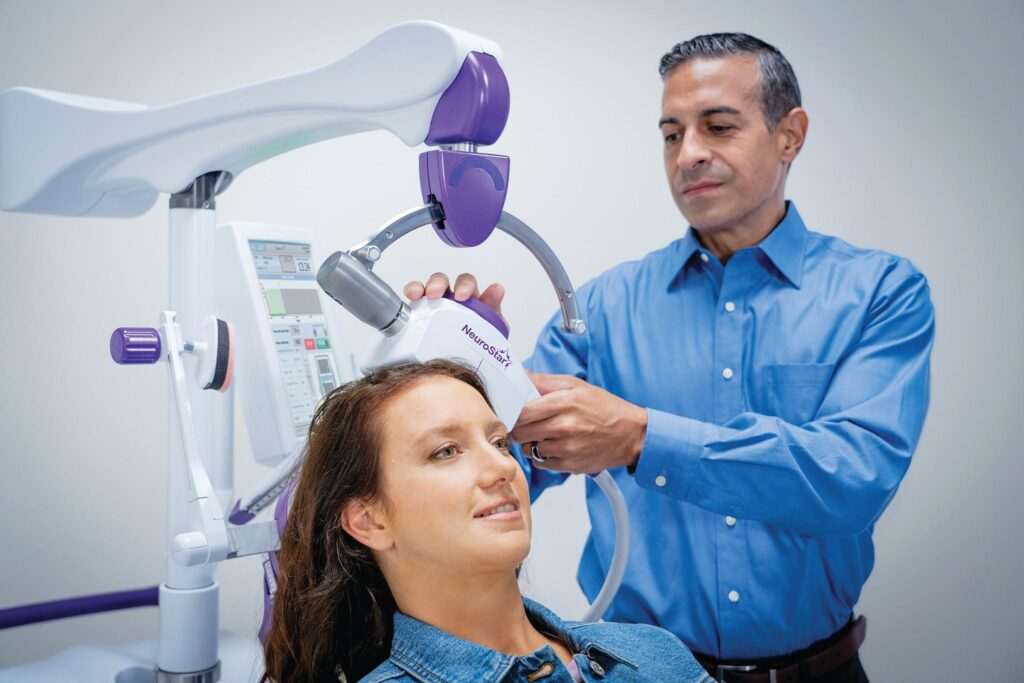
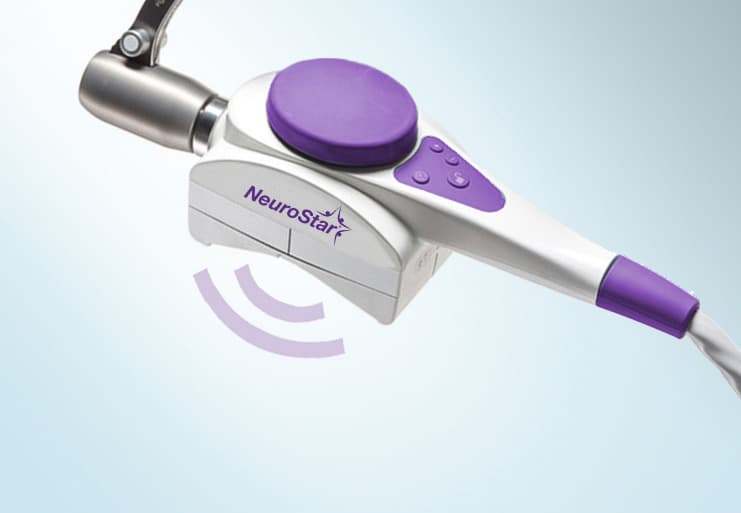
A TMS coil placed against the scalp creates a rapidly changing magnetic field. The field passes through the skull and induces an electrical current in superficial cortical tissue. The resulting change in neural activity may affect pathways involved in migraine and pain processing.
Researchers have studied several possible mechanisms, including cortical excitability and cortical spreading depression, a wave of altered brain activity associated with migraine aura. The trigeminal pain system and other sensory-processing networks may also contribute to migraine symptoms.
The mechanism is not as simple as “resetting” the brain. Migraine involves several connected brain regions and signaling pathways, so the response to stimulation can vary by migraine type, stimulation target, timing, and treatment protocol.
Why Does Migraine With Aura Matter?
Migraine with aura has received particular attention in TMS research because aura involves temporary neurological symptoms before or during some migraine attacks. These symptoms can include visual changes, sensory disturbances, or language problems.
The FDA’s 2013 Cerena classification specifically covered acute pain associated with migraine with aura. The FDA documentation did not establish the device as a treatment for every migraine type, including migraine without aura.
| Treatment Approach | Main Goal | Evidence And Indication |
| Single-pulse TMS | Acute migraine pain | FDA classification in 2013 for pain associated with migraine with aura |
| Repetitive TMS | Migraine prevention or treatment | Studied in randomized trials; protocols are not standardized |
The original FDA-reviewed study included 201 adults with migraine with aura. In that study, 37.74% of participants receiving Cerena were pain-free at two hours compared with 16.67% receiving sham treatment. At 24 hours, the figures were 33.96% and 10%, respectively. These results describe that specific 2013 study and should not be used as a universal response rate.
The same study did not demonstrate effectiveness for eliminating associated symptoms such as nausea and sensitivity to sound. Therefore, reducing headache pain does not necessarily mean that every migraine symptom will disappear.
When Is TMS Used For Acute Migraine Relief?

Single-pulse TMS has been studied as an acute option for migraine pain, particularly when migraine with aura is involved. The treatment uses a brief magnetic pulse rather than the repeated stimulation trains used in TMS.
The FDA documentation for Cerena described a portable prescription device that delivered stimulation toward the back of the head. The device was intended for acute treatment of pain associated with migraine with aura, with specific instructions governing how and when treatment was delivered.
“Single-pulse transcranial magnetic stimulation may be an effective treatment for migraine with aura.” – The Lancet Neurology, 2010
This distinction matters when comparing TMS with medication-based acute treatment. TMS does not introduce a drug into the bloodstream, but it also does not have a single protocol that applies to every patient or every migraine pattern.
The goal of acute treatment is to reduce the severity of an established migraine attack. A clinician still needs to consider the person’s migraine diagnosis, medical history, current treatments, and whether the specific device is appropriate.
Can Repetitive TMS Help Prevent Frequent Migraines?
Repetitive TMS is being studied as a chronic migraine treatment and as an option for reducing future migraine burden. Unlike an acute protocol, preventive TMS is delivered through a series of scheduled sessions.
The 2024 meta-analysis found lower attack frequency and headache intensity with high-frequency TMS than with sham stimulation. However, the eight included trials used different treatment methods, which limits the ability to define one standard schedule for every patient.
“High-frequency TMS could be an effective treatment for migraine.” – PubMed, 2024 systematic review and meta-analysis
For this reason, research findings should not be presented as proof that any TMS device will prevent migraine in every patient. A preventive treatment plan should have a defined goal, such as fewer migraine days or lower headache intensity, followed by clinical monitoring to determine whether meaningful improvement occurs.
How Does The Evidence Compare With Standard Migraine Care?

TMS is best viewed as a neuromodulation option rather than a replacement for established migraine care. Depending on the diagnosis and treatment history, migraine management may include acute medicines, preventive medicines, lifestyle measures, and other noninvasive treatments.
The current evidence for preventive TMS is promising but still developing. The 2024 meta-analysis supports potential benefit, while differences between clinical trials mean more research is needed before one preventive TMS protocol can be considered standard for all migraine patients.
For readers considering treatment in New Jersey, the TMS therapy for depression in New Jersey offered by The TMS Center of NJ has different FDA-cleared indications from migraine-specific TMS devices. Those indications should not be confused with the separate FDA classification for acute migraine with aura.
What Can Affect TMS Results For Migraine?

TMS results can vary from one patient to another. Migraine type, treatment goal, stimulation target, treatment schedule, and medical history can all affect the outcome.
Migraine frequency is also important. Someone who has occasional attacks may have a different treatment goal from someone who has frequent or chronic migraine. A clinician may review headache frequency, pain severity, symptoms, current medicines, and previous treatments before considering TMS.
Tracking symptoms during treatment can also help. A headache diary can record the number of migraine days, pain intensity, attack duration, and use of acute medication. This gives the clinician a clearer picture of whether the treatment is helping.
Can TMS Be Used Without Migraine Medication?
TMS may offer a non-drug treatment option for some patients, but it should not automatically replace migraine medication. Current research does not show that TMS can take the place of every acute or preventive migraine medicine.
The term migraine without medication can be confusing if it suggests that medication will no longer be needed. Some patients may still require medication to treat an acute attack or reduce future attacks while receiving neuromodulation.
The treatment plan depends on the patient’s migraine pattern, medical history, previous treatment response, and the specific TMS device being considered.
Can TMS Help When Migraine And Depression Occur Together?

Migraine and depression can occur in the same patient, but treating one condition does not automatically treat the other. Each condition requires its own clinical assessment and treatment plan.
The migraine depression link is important because mood symptoms can occur alongside migraine and may affect daily functioning. A clinician may consider both conditions when reviewing the patient’s overall treatment history.
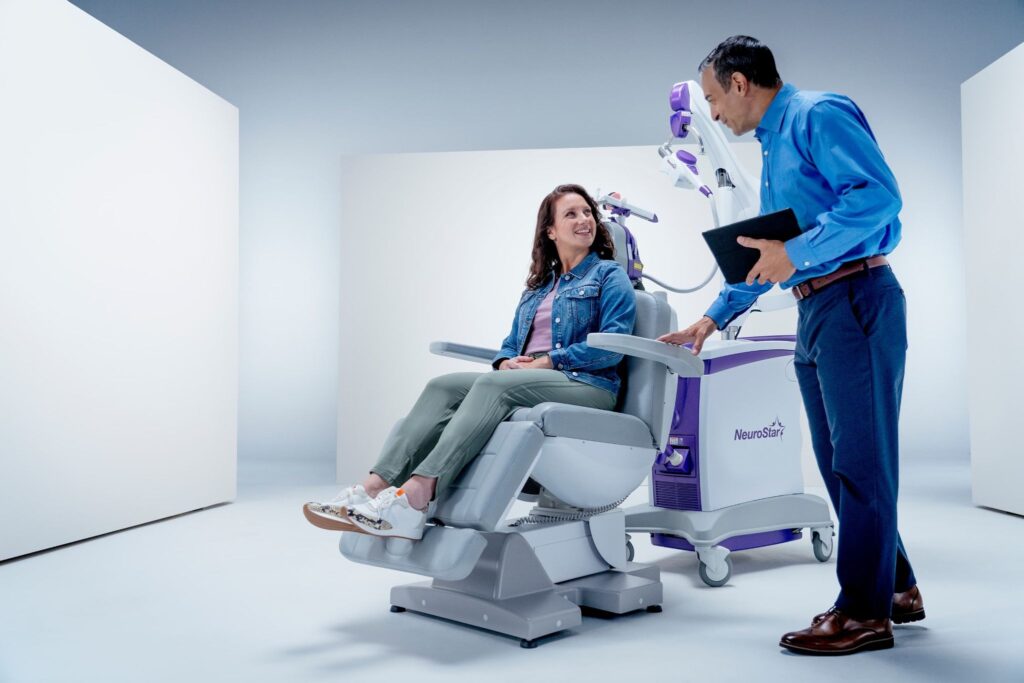
TMS devices can have different FDA-cleared indications. For example, NeuroStar has FDA-cleared indications for major depressive disorder and obsessive-compulsive disorder. Those psychiatric indications should not be presented as FDA clearance for migraine treatment.
If TMS is being used for depression, changes in depressive symptoms should also be assessed separately from changes in migraine symptoms. The major depressive disorder treatment offered by The TMS Center of NJ is based on the NeuroStar system’s FDA-cleared indication for MDD, which is separate from migraine treatment.
Is TMS For Migraine Covered By Insurance?
Insurance coverage for migraine TMS varies by health plan, treatment indication, device, and medical necessity requirements. There is no single coverage rule that applies to every patient.
Coverage can also differ between an FDA-cleared indication and a protocol that is mainly supported by clinical research. An insurance company may require documentation about the diagnosis, previous treatments, and medical necessity before approving coverage.
Patients should confirm their benefits and authorization requirements before treatment begins. The TMS Center of NJ location in Tinton Falls provides information about the practice’s local treatment services and insurance process, although coverage for migraine treatment depends on the specific indication and health plan
Who May Be A Candidate For TMS For Migraine?
TMS may be considered when the patient’s migraine pattern matches an appropriate treatment indication or when a clinician determines that a research-supported protocol is reasonable. The specific device and treatment goal must be considered before treatment starts.
Safety screening is also part of the evaluation. Certain metallic or electronic devices near the head may make TMS unsafe or require additional review, depending on the TMS system.
Migraine type is another important factor. The FDA’s 2013 classification for the Cerena device covered acute pain associated with migraine with aura. Preventive TMS has a separate research base, so the evidence for one approach should not be applied automatically to another.
What Happens During TMS For Migraine?
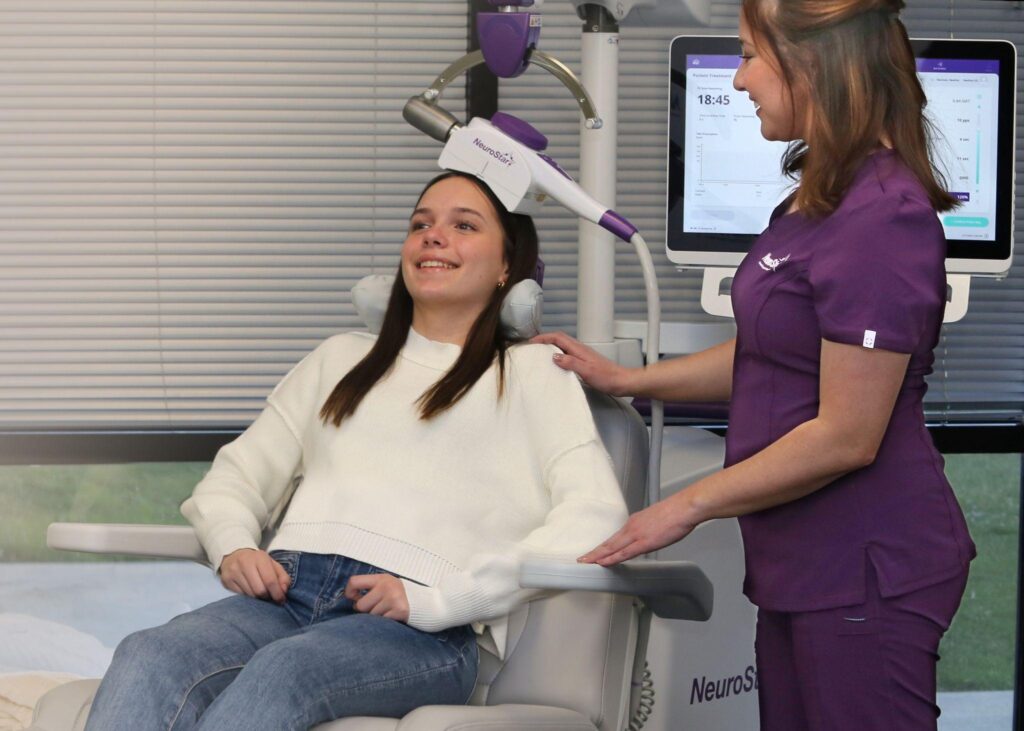
TMS does not require surgery or an electrode placed inside the brain. A stimulation coil rests against the scalp and delivers magnetic pulses according to the selected treatment protocol.
The patient remains awake during treatment. Some patients may feel tapping or mild muscle sensations around the scalp or face when the magnetic pulses are delivered.
Treatment schedules depend on the specific device and protocol. An acute single-pulse treatment should not be assumed to have the same schedule as a preventive TMS course.
A clinician may also track migraine symptoms throughout treatment. Changes in migraine days, pain severity, and medication use can help determine whether the treatment is producing a meaningful benefit.
Where Does TMS Fit Into Migraine Care?
For selected migraine patients, TMS may offer a noninvasive treatment option, but the right approach depends on the condition, device indication, and supporting evidence. Research is promising, yet preventive TMS should not be presented as having the same FDA-cleared indication as acute TMS for migraine with aura. The details matter.
If you’re considering TMS, The TMS Center of NJ can help you understand whether this treatment fits your current needs and goals. Its team can review your treatment history and discuss available options, including NeuroStar Advanced TMS Therapy. Start with an evaluation, then decide what makes sense for you.
FAQs
Can TMS Stop A Migraine Attack?
TMS may reduce acute migraine pain in selected patients, but it cannot be expected to stop every migraine attack. The FDA’s 2013 Cerena classification addressed acute pain associated with migraine with aura, and study results were specific to that device and patient population.
Is TMS Effective For Chronic Migraine?
Preventive TMS may reduce migraine frequency and headache intensity, but research remains limited. A 2024 meta-analysis found potential benefits from high-frequency TMS, although the included studies used different protocols and treatment targets.
Can TMS Replace Migraine Medication?
TMS should not automatically be considered a replacement for migraine medication. Some patients may use neuromodulation alongside acute or preventive medicines, depending on their treatment plan. The available evidence does not establish that TMS can eliminate the need for all migraine medicines.
Does Insurance Cover TMS For Migraine?
Insurance coverage varies by health plan, device, treatment indication, and medical necessity requirements. FDA-cleared status does not guarantee insurance coverage. Patients should confirm benefits, authorization requirements, and expected out-of-pocket costs with the insurer and treating practice before starting treatment.
Is TMS Safe For People With Migraine?
TMS is generally considered noninvasive, but safety screening remains necessary before treatment. Certain metallic or electronic devices near the head may create safety concerns, depending on the TMS system. A qualified clinician should review the patient’s medical history and the device’s safety requirements before treatment.
References