





How NeuroStar TMS Therapy in New Jersey Works

At TMS Center of New Jersey, we offer NeuroStar Advanced TMS Therapy, an FDA-cleared, non-drug treatment for patients who haven’t found lasting relief from medication or talk therapy. Unlike antidepressants, which travel through your entire body, NeuroStar delivers magnetic pulses directly to the brain regions involved in mood regulation, without the side effects that come with pharmaceuticals.
The Brain Science Behind TMS
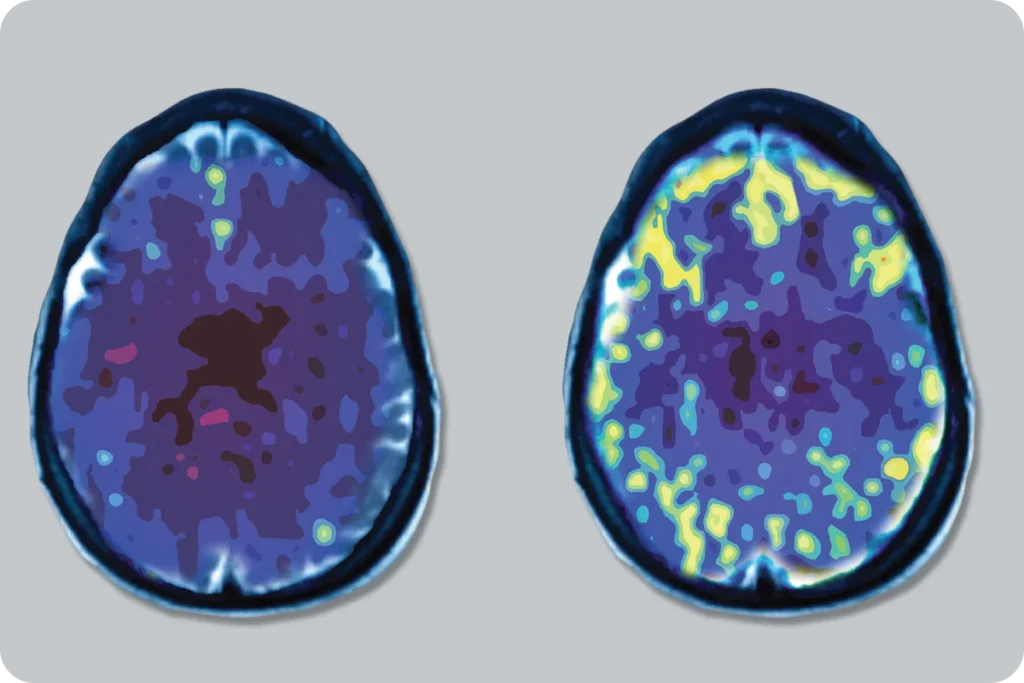
Depression and related conditions are linked to reduced activity in certain areas of the prefrontal cortex, the part of the brain that regulates mood, motivation, and emotional processing. When this activity drops, patients often experience the low mood, fatigue, and loss of interest that come with clinical depression.
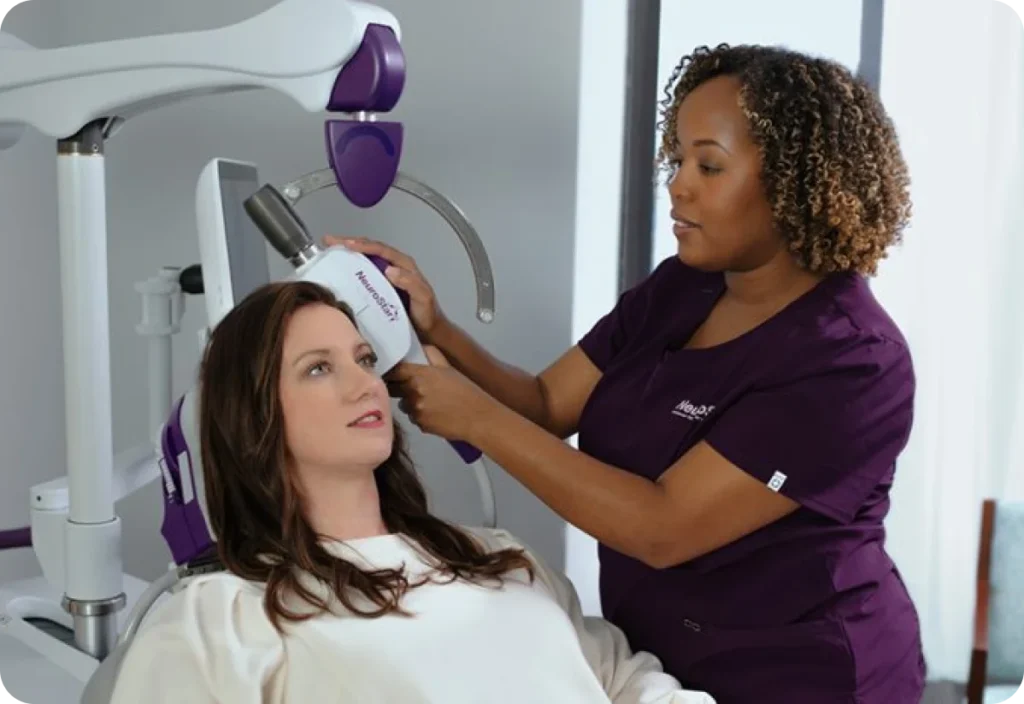
NeuroStar uses focused magnetic pulses, similar in strength to an MRI machine, to stimulate these underactive brain cells. Over a full course of treatment, this stimulation helps restore healthier brain activity patterns, similar to how physical therapy helps retrain muscles after an injury.
What a Treatment Course Looks Like
A standard course of NeuroStar therapy involves daily sessions, typically five days a week, for a total of 36 treatments, usually completed within about six weeks depending on your provider’s schedule. Each session takes as little as 19 minutes. NeuroStar requires no sedation or anesthesia. You stay fully awake and alert during treatment, and you can drive yourself home and return to normal activities right after each session.

What to Expect During Treatment
During each session, a magnetic coil is placed against your scalp. You may feel a tapping sensation as pulses are delivered. Most patients describe this as mild and get used to it within the first week or two. The most common side effect is temporary scalp discomfort or headache near the treatment site.
Who NeuroStar Is Designed For
NeuroStar is FDA cleared for adults with Major Depressive Disorder, including those with anxiety symptoms, and as an adjunct treatment for adults with Obsessive-Compulsive Disorder. It’s also cleared as an adjunct MDD treatment for adolescent patients ages 15 to 21.
It’s generally considered for patients who have tried antidepressant medication without getting enough relief, or who want to avoid the side effects that come with long-term drug therapy.

Frequently Asked Questions
Is NeuroStar Right for You?
The best way to find out is a consultation with our clinical team. We’ll review your history and determine whether you meet the clinical criteria for treatment.
Does NeuroStar TMS hurt?
Most patients feel a tapping or knocking sensation on the scalp during treatment. It’s not typically described as painful, though some people notice mild discomfort during the first few sessions. This usually fades as your scalp adjusts to the sensation.
How long before I notice results?
Many patients start to notice changes in mood within two to four weeks of starting treatment. Full results are usually evaluated at the end of the complete course, which runs about six weeks.
Will I need anesthesia or sedation?
No. NeuroStar doesn’t require anesthesia or sedation. You’re awake and alert the entire time, and you can drive yourself to and from appointments.
Can I go back to work after a session?
Yes. Since there’s no sedation and no recovery time needed, most patients return directly to work, driving, or other normal activities right after each session.
How is NeuroStar different from ECT (electroconvulsive therapy)?
NeuroStar and ECT are both used for depression, but they work very differently. NeuroStar uses focused magnetic pulses and doesn’t require anesthesia, while ECT uses electrical current and does require sedation. NeuroStar also doesn’t carry the memory-related side effects sometimes associated with ECT.
What does NeuroStar treat?
NeuroStar is FDA cleared for Major Depressive Disorder in adults, including cases with anxiety symptoms, and as an adjunct treatment for adults with Obsessive-Compulsive Disorder. It’s also cleared as an adjunct MDD treatment for adolescents ages 15 to 21.
Is NeuroStar covered by insurance?
Most major insurance providers, including Medicare, now offer some level of coverage for NeuroStar treatment. Coverage details vary by plan, so it’s worth checking with your provider or our office directly.
How many sessions will I need?
A standard course is 36 sessions, typically delivered five days a week over about six weeks. Your provider may adjust this based on your response to treatment.
Get In Touch

Call Us:
(732) 842-0505